Written by a caring mom at Infant Tales
Bringing your baby home is an unforgettable moment, but it can also make you wonder whether everything is truly ready. Learning how to Prepare Your Home for a New Baby means creating a safe, clean, comfortable, and organized space where your newborn can sleep, feed, and grow peacefully. It does not require expensive products or a perfect nursery just thoughtful planning and a few practical essentials.
This guide covers everything you need for preparing your home for a new baby, including nursery setup, baby safety, feeding and diaper stations, cleaning tips, and a simple newborn essentials checklist. With the right preparation, you can welcome your little one with more confidence and less stress.
Why Preparing Your Home Before Baby Arrives Matters
The first few weeks with a newborn can feel beautiful, tiring, and unpredictable. Much of your time may be spent feeding, changing diapers, soothing your baby, washing clothes, and trying to rest.
Completing the main household tasks before delivery allows you to focus on healing and bonding. It also reduces the chances of having to assemble furniture, wash baby clothes, or search for diapers during an exhausting night.
It Reduces New-Parent Stress
A well-organized home cannot prevent every difficult moment, but it can make everyday care easier. Knowing where the diapers, feeding supplies, clean clothes, and burp cloths are stored removes many small frustrations.
Your home may still become messy after the baby arrives, and that is perfectly normal. The aim is not perfection. The aim is to create a space that supports you and your growing family.
It Makes Daily Care More Convenient
Newborn care happens throughout the day and night. Keeping essential supplies close to the places where you feed, change, and soothe your baby can save time and energy.
This simple preparation can be especially helpful while recovering from childbirth or managing sleepless nights.
How to Prepare a Home for a New Baby
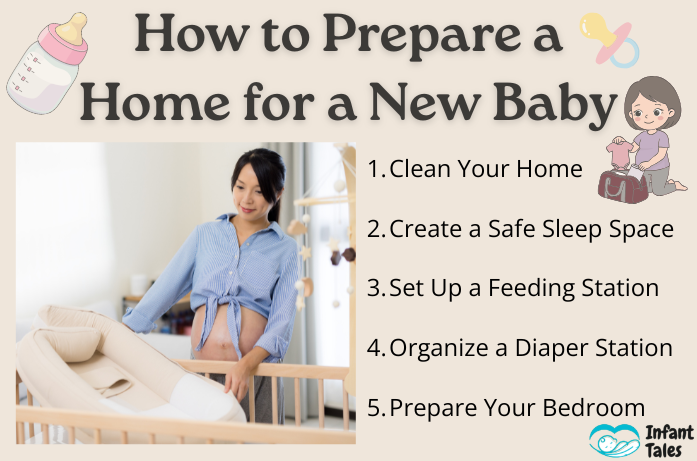
Every family prepares differently, but the goal is the same a safe, clean, and comfortable home for your newborn. Start with the essentials like sleeping, feeding, diapering, and safety. You can always add decorative touches later.
Clean and Declutter the Main Areas
Give your home a simple deep clean before your due date. Wash bedding, vacuum floors, dust furniture, and clear clutter from the rooms you’ll use most. Store medicines and cleaning products safely out of your baby’s reach.
Set Up a Safe Newborn Sleeping Space
Create a safe sleep area with a firm mattress and fitted sheet in a crib or bassinet. Keep pillows, blankets, toys, and bumpers out of the sleep space, and place the crib away from windows, cords, and heaters.
Create a safe sleep area with a firm, flat mattress and a fitted sheet in an approved crib or bassinet. Keep pillows, loose blankets, toys, bumpers, and sleep positioners outside the sleeping space. According to American Academy of Pediatrics, newborns should sleep on their backs on a firm, flat surface to support safer sleep.
Create a Comfortable Feeding Station
Set up a cozy feeding area with a supportive chair and keep burp cloths, bibs, water, snacks, and feeding supplies nearby. Having everything within reach makes feeding sessions more comfortable.
Organize a Practical Diaper Station
Keep diapers, wipes, diaper cream, and clean clothes together in one place for quick changes. A small portable diaper basket in another room can also make daily baby care easier.
Prepare Your Bedroom for Nighttime Care
Since your baby may sleep in your room during the first few months, keep nighttime essentials like diapers, wipes, burp cloths, and extra clothes close to your bed. A soft night-light can make late-night feedings and diaper changes easier.
Newborn Essentials Checklist for the First Few Weeks
Baby stores can make new parents feel as though they need hundreds of products. In reality, newborns need only a small number of practical essentials.
Start with the basics. You can purchase additional products later once you understand your baby’s needs and your family’s routine.
Clothing Essentials
Choose soft, breathable clothes that are easy to open during diaper changes. Avoid buying too many newborn-size outfits because babies grow quickly.
A practical starter list may include:
- 6–8 bodysuits or onesies
- 5–7 sleepers
- Several pairs of socks
- 2–3 lightweight hats
- 4–6 swaddles or receiving blankets
- One or two weather-appropriate outer layers
Wash baby clothes, crib sheets, swaddles, and reusable fabrics before use. A gentle, fragrance-free detergent may be suitable for delicate skin.
Feeding Essentials
Your feeding supplies will depend on whether you breastfeed, formula-feed, pump, or use a combination.
Breastfeeding parents may find nursing bras, breast pads, burp cloths, a nursing pillow, and a breast pump useful. Formula-feeding families may need bottles, nipples, formula, a bottle brush, and a safe sterilizing method.
Avoid buying too many bottles in one design before your baby arrives. Some babies prefer a different nipple shape or flow.
Diapering Essentials
Newborns use several diapers each day, but buying a huge supply in only one size may lead to waste.
Keep newborn or size-one diapers, wipes or soft cotton cloths, diaper cream, changing mats, and disposal bags ready. A washable changing-pad cover can make unexpected messes easier to manage.
Bath and Grooming Essentials
Newborn bath time can remain simple. You may need a baby bath, soft washcloths, gentle towels, and a mild baby cleanser.
A soft brush, nail file, and digital thermometer can also be helpful. Keep medicines and health products stored safely and use them only according to professional guidance.
Baby Proofing Before Newborn Arrives
A newborn will not crawl immediately, but babies grow and become mobile sooner than many parents expect.
Starting baby proofing before newborn arrives gives you more time to make careful safety changes without rushing later.
Although your newborn will not begin crawling immediately, completing a few safety checks early can make your home safer as your baby grows. The Office on Women’s Health recommends checking your home for common hazards and securely storing medicines, cleaning products, sharp objects, and other potentially dangerous items.
1. Secure Furniture and Heavy Objects
Anchor dressers, bookcases, television stands, and other heavy furniture securely. Avoid placing large mirrors, shelves, frames, or decorations directly above the crib or changing area.
Check that furniture is stable and repair loose handles, screws, or sharp edges.
2. Check Cords, Outlets, and Windows
Keep electrical cables, baby-monitor wires, and window-blind cords away from the crib and future play areas.
Cover unused electrical outlets and replace damaged plugs or wires. Move the crib and other furniture away from windows, heaters, and hanging cords.
3. Store Dangerous Products Safely
Move medicines, vitamins, cosmetics, detergents, sharp objects, batteries, matches, and cleaning products into secure cabinets.
Do not rely only on placing dangerous items at the back of a counter. Locked storage becomes increasingly important as your baby grows.
4. Test Household Safety Devices
Check smoke alarms and carbon monoxide detectors before your baby arrives. Replace batteries if needed and ensure that important emergency contacts are saved in both parents’ phones.
A basic first-aid kit should also be easy for adults to access but safely stored away from children.
Getting Your Home Ready for Baby Room by Room
Organizing supplies according to where you will use them makes newborn care smoother.
A few small baskets and dedicated storage spaces can keep your home practical without turning every room into a nursery.
Nursery or Baby Corner
Arrange clothes by size so the smallest items are easy to reach. Store larger sizes separately until they are needed.
Keep daily essentials at a comfortable height, but store medicines, creams, and small objects safely. Position the crib away from windows, cords, heaters, and shelves.
Parents’ Bedroom
Create a nighttime station with diapers, wipes, clean sleepers, burp cloths, and feeding supplies.
Keep the baby’s sleeping area separate and uncluttered. Make sure pillows and blankets from the adult bed cannot fall into the crib or bassinet.
Living Room
Prepare a portable basket with diapers, wipes, a changing mat, burp cloths, and an extra outfit.
Clear low tables of coins, medicines, small objects, hot drinks, and sharp items. These precautions will become even more important once your baby starts reaching and moving.
Kitchen
Create a clean area for bottles, pump parts, and feeding supplies. Keep these items separate from raw food preparation areas.
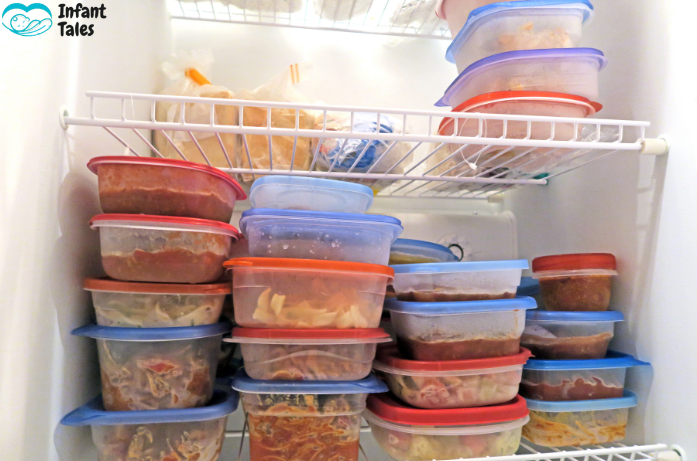
Prepare a few freezer meals before delivery. Soups, rice dishes, sauces, casseroles, and simple snacks can be helpful during tiring days.
Bathroom
Keep baby towels, washcloths, and bath supplies together so you can gather everything before bath time.
Store razors, medicines, cleaning products, toiletries, and electrical appliances securely. Never leave a baby alone near water, even briefly.
Simple Ways to Make the First Weeks Easier
Good newborn home preparation should care for the parents as well as the baby.
Your healing, comfort, sleep, and nutrition are important parts of getting your home ready.
Prepare Easy Meals and Snacks
Keep simple meals in the freezer and stock easy snacks, water, and breakfast foods.
When family or friends offer help, consider asking for a meal, groceries, laundry assistance, or another practical task instead of more baby gifts.
Create a Simple Laundry Routine
Place a laundry basket near the changing area and keep several clean sleepers, swaddles, crib sheets, and burp cloths ready.
Having enough basics for a few days means you will not feel pressured to wash clothes immediately after every mess.
Prepare a Recovery Basket
Create a basket with postpartum supplies, comfortable clothing, hygiene products, snacks, water, nursing items, and doctor-approved medication.
Smaller baskets in the bedroom and bathroom can keep essential items within easy reach.
Set Visitor Boundaries
Loved ones may be eager to meet your newborn, but you are allowed to delay or limit visits.
Ask visitors to wash their hands and stay home if they feel unwell. Short visits can protect your rest and give your family time to adjust.
Common Newborn Home Preparation Mistakes
Preparing for a baby can become overwhelming when parents feel pressured to do everything perfectly.
Avoiding a few common mistakes can make the experience calmer and more affordable.
Buying Too Many Products
Not every popular baby product will suit your family. Start with the essentials and purchase optional items only when you know they will be useful.
This reduces clutter and helps you avoid unnecessary spending.
Waiting Until the Final Week
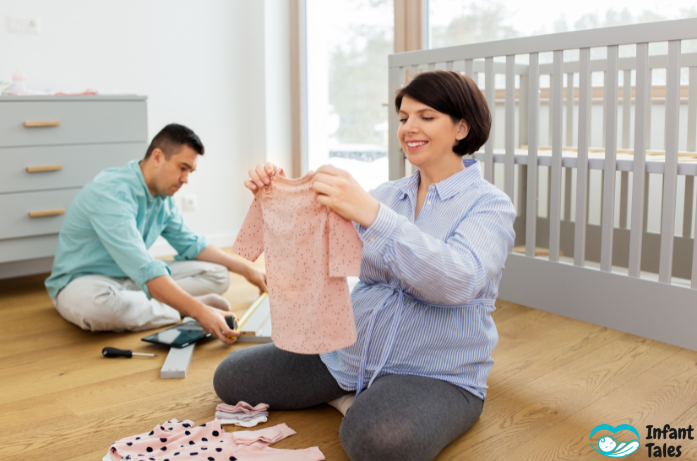
The final weeks of pregnancy can be tiring and unpredictable. Complete major cleaning, furniture assembly, washing, and shopping earlier whenever possible.
Leave the final days for light organizing and rest.
Focusing Only on the Nursery
Your newborn may spend more time in your bedroom or living room than in the nursery.
Prepare the places where you will actually feed, change, soothe, and settle your baby throughout the day.
Forgetting Parent Comfort
Include your own needs while getting your home ready for baby. Set up a comfortable chair, recovery supplies, easy meals, and convenient storage.
A supported and rested parent is better able to care for a newborn.
A Simple New Baby Home Preparation Timeline
You do not need to complete every task in one weekend. Spread the work across several weeks.
Eight to Ten Weeks Before Your Due Date
- Choose where your baby will sleep.
- Begin cleaning and decluttering.
- Select essential furniture.
- Start gathering newborn supplies.
Four to Six Weeks Before Your Due Date
- Wash baby clothes and bedding.
- Organize feeding and diaper stations.
- Complete basic safety checks.
- Prepare your bedroom for nighttime care.
Two to Three Weeks Before Your Due Date
- Stock diapers and household supplies.
- Prepare freezer meals and snacks.
- Install the car seat correctly.
- Pack your hospital bag.
During the Final Week
Rest as much as possible and complete only small tasks. Restock your care stations, charge your phone, and enjoy the quiet moments before meeting your baby.
It is completely fine if some decorations or optional jobs remain unfinished.
Frequently Asked Questions
Final Thoughts
Preparing your home for a new baby is not about creating a perfect nursery or buying every product you see. It is about making your home safe, calm, and practical for your family.
As a mom, I found that the smallest preparations helped the most a diaper basket beside the bed, clean sleepers in the drawer, a meal in the freezer, and a safe place for my baby to sleep.
Take one task at a time and accept help when it is offered. Your baby needs safety, nourishment, comfort, and loving arms far more than a picture-perfect home.
You are already creating a warm and secure place where your little one can grow, rest, and feel deeply loved.
Enjoyed this guide? Explore more trusted pregnancy, baby care, and parenting tips at Infant Tales to support you through every stage of motherhood.
Disclaimer
This article is for informational purposes only and is not a substitute for professional medical advice. Always consult your healthcare provider regarding your pregnancy or your baby’s health.