Written by a caring mom at Infant Tales
When my baby was born, I imagined that he would sleep peacefully, offer sweet little smiles, and that our days would unfold with a sense of serene harmony. Instead, however, I found myself holding a crying baby for hours on end; I couldn’t put him down not even for a single moment. I remember searching late into the night for an explanation, and eventually, I realized that my baby was a high needs baby.
That moment changed everything for me. If you are here, maybe your baby needs constant attention, wakes often, or becomes unsettled easily. It can feel confusing and exhausting. But let me reassure you gently, this is not a mistake in your parenting. Some babies are simply wired to need more connection, more comfort, and more reassurance.
In this guide, I want to share not just information, but real understanding, from one mom to another, so you can feel more confident, supported, and at peace in this journey.
What Is a High Needs Baby?
A high needs baby is a baby who requires more attention, physical closeness, and emotional reassurance than what many parents expect. This doesn’t mean something is wrong. It simply reflects your baby’s temperament and sensitivity.
When I first understood this, I stopped trying to “fix” my baby and started understanding him instead. That shift made a huge difference.
A high need baby often:
- Craves constant physical closeness
- Expresses needs loudly and intensely
- Finds it difficult to self-soothe
- Responds strongly to changes in routine or environment
These babies are deeply aware of their surroundings and depend heavily on their caregivers to feel safe.

Signs You May Have a High Needs Baby
Every baby is unique, but there are certain patterns that many parents of high needs babies recognize. If you notice several of these, it might resonate with your experience.
1. Constant Desire to Be Held
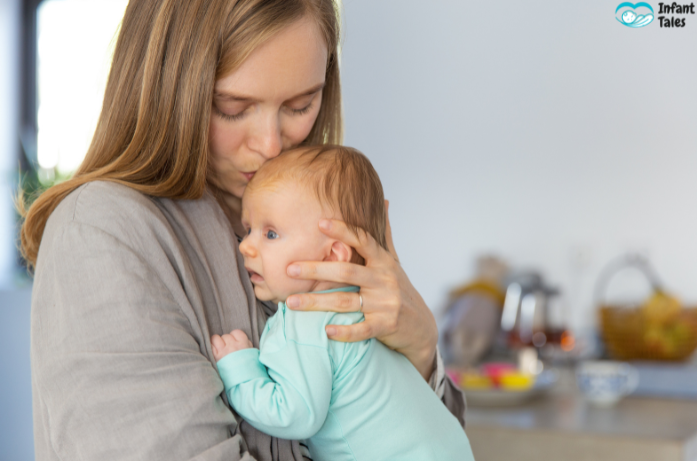
I remember trying to place my baby in the crib, only for him to wake instantly. He wanted to be in my arms almost all the time.
This need for closeness is not “spoiling”, it is your baby’s way of feeling secure.
2. Intense and Frequent Crying
A high needs baby doesn’t cry lightly. Their cries are often loud, urgent, and emotionally intense, much like a baby fussy for different developmental reasons.
At times, it may feel like nothing works. But often, what they truly need is your presence, not a solution.
3. Sleep Challenges and Frequent Waking
Many parents assume a high sleep needs baby will sleep longer, but the reality can feel quite different.
Your baby may need sleep but struggle to settle or stay asleep without you. Night wakings can be frequent, and naps may be short.
4. Highly Sensitive to Surroundings
Loud noises, bright lights, or too many people can overwhelm them quickly.
I noticed my baby was calmer in quiet, dim spaces. Once I adjusted the environment, things became easier.
5. Difficulty Self-Soothing
Unlike some babies who can calm themselves, a high need baby relies on you for comfort.
Your touch, voice, and closeness are their primary way of regulating emotions.
6. Strong Attachment to One Caregiver
Your baby may prefer you over everyone else, even becoming upset when held by others.
While this can feel limiting, it reflects a deep emotional bond.
Why Some Babies Are High Needs
This was one of my biggest questions, why is my baby like this?
The truth is, it often comes down to temperament. Babies are born with different personalities, just like adults.
Some are naturally more sensitive, alert, and emotionally expressive. A high needs baby feels discomfort more intensely and seeks reassurance more often.
There is no single cause, but contributing factors may include:
- A naturally sensitive nervous system
- Higher awareness of surroundings
- Strong emotional expression
- Greater need for physical reassurance
Understanding this helped me stop comparing my baby with others and start accepting his unique nature. You can explore more about this in this study on infant behavior and development.
The Emotional Reality for Parents
Let’s talk honestly for a moment.
Caring for a high needs baby can be deeply overwhelming. I remember days when I felt exhausted, touched-out, and unsure of myself.
You might feel:
- Constant fatigue
- Self-doubt
- Frustration or guilt
- Isolation from others
It’s important to acknowledge these feelings without judgment. They don’t make you a bad parent, they make you human.
What helped me most was realizing that I didn’t need to be perfect. I just needed to be present.

Gentle and Practical Survival Tips
Over time, I discovered small, realistic changes that made daily life more manageable. These are not quick fixes, but they can truly ease your journey.
1. Babywearing for Comfort and Freedom
Using a baby carrier was one of the most helpful things I tried.
It allowed my baby to stay close while giving me the ability to move around, eat, or complete small tasks.
For a high need baby, closeness often brings instant calm.
2. Follow Your Baby’s Natural Rhythm
Instead of strict schedules, try observing your baby’s cues.
A high sleep needs baby may benefit from shorter but more frequent naps rather than long stretches.
When I stopped forcing routines, both my baby and I felt less stressed.
3. Create a Calm, Predictable Environment
High needs babies respond well to gentle, predictable surroundings.
- Keep lighting soft
- Reduce loud noises
- Maintain simple routines
These small changes can help your baby feel more secure.
4. Respond Without Fear of Spoiling
I used to worry that picking up my baby too often would spoil him.
But I learned that responding to your baby builds trust, not dependency.
Your baby is learning that the world is safe, and that you are there for them.
5. Take Small Breaks for Yourself
Even a few minutes alone can make a difference.
Ask your partner or a family member to step in when possible.
Caring for yourself is not selfish, it is necessary.
6. Simplify Your Daily Expectations
Some days, just feeding your baby and resting is enough.
You don’t need to accomplish everything. Focus on what truly matters.
Managing Sleep with a High Needs Baby
Sleep can feel like the biggest challenge.
With a high sleep needs baby, the need for rest is there, but the ability to settle may not come easily.
What helped me was shifting my mindset:
- I stopped expecting long, uninterrupted sleep
- I focused on creating comfort instead
- I stayed flexible with routines
Gentle techniques like rocking, feeding, or staying nearby can support better sleep over time.
Progress may be slow, but it does happen.
Building a Strong Bond Through This Phase
While this journey is intense, it is also deeply meaningful.
Your baby is learning trust, safety, and love through every moment you respond to them.
A high needs baby often develops into a child who is:
- Emotionally aware
- Deeply connected
- Strongly attached to family
This phase, though challenging, is laying a powerful foundation.
When Should You Seek Help?
Most high needs behaviors are completely normal. However, it’s always okay to seek guidance if something feels concerning.
Reach out to a pediatrician if you notice persistent discomfort or signs of pain, especially if symptoms could be related to baby flu or another illness.
- Persistent discomfort or signs of pain
- Feeding difficulties
- Extremely unusual sleep patterns
- Lack of weight gain
Getting reassurance can bring peace of mind.
Final Thoughts: This Phase Will Slowly Change
Right now, it may feel like this stage will never end, the long days, constant holding, and sleepless nights can feel overwhelming. But slowly, things begin to shift. Your baby grows more confident, learns new ways to express themselves, and starts exploring the world with a little more independence, including milestones like learning to hold bottle.
One day, you will look back and realize you made it through one of the most intense yet meaningful phases of parenting. So hold your baby close when they need you, take small breaks when you can, and gently remind yourself, you are exactly the mother your baby needs.
If this article helped you, share it with another mom who needs support and follow Infant Tales for more gentle parenting guidance.
FAQs About High Needs Babies
1. What is a high needs baby?
A high needs baby is one who requires more attention, comfort, and closeness than usual. They may cry more, want to be held often, and find it harder to self-soothe.
2. Is a high needs baby normal?
Yes, completely normal. It’s usually related to your baby’s temperament and sensitivity, not a problem or parenting mistake.
3. Do high needs babies become easier over time?
Yes, with growth and development, most babies become more independent and easier to manage as they learn new skills.
4. Can you spoil a high needs baby by holding them too much?
No, you cannot spoil a baby with love and comfort. Responding to their needs actually builds trust and emotional security.
5. How can I cope with a high needs baby?
Focus on simple strategies like babywearing, following your baby’s rhythm, creating a calm environment, and taking small breaks for yourself.
Disclaimer: This article is based on personal experience and general parenting knowledge. It is not a substitute for professional medical advice. If you have concerns about your baby’s health or development, please consult a pediatrician.