
Authored by: The Infant Tales Team
As we celebrate Baby Safety Awareness Month, it’s important to remember the critical role safety plays in your baby’s first few years of life. With so many milestones and developmental stages, ensuring that your baby is protected from potential dangers in and around the home is a priority for every parent. Baby Safety Month serves as a reminder to take a closer look at the various safety measures you can implement to ensure your little one’s well-being. Whether you’re a new parent or just looking for a refresher, this guide will provide you with essential tips to keep your baby safe and sound.
In this article, we’ll explore practical, effective ways to safeguard your baby during every stage of growth, from creating a safe sleep environment to baby-proofing your home, and everything in between. By following these tips, you can help prevent accidents and create an environment where your baby can thrive and explore safely.
Safety Needs During Different Baby Growth Stages
As your baby grows, their safety needs will evolve. In the early months, infants require constant supervision and a highly controlled environment. Their safety during these initial stages is crucial, as they are unable to move on their own and are more vulnerable to accidents, discomfort, and issues that may lead to a fussy baby.
In the first three months, focus on safe sleep practices and preventing falls by securing furniture and keeping dangerous items out of reach. This is the time to ensure your baby’s sleeping area is free from any soft objects, pillows, or blankets that could pose a suffocation risk.
By six months, when babies start rolling over and becoming more active, the emphasis should shift to creating a safe space for tummy time. Make sure to install safety gates in areas like stairs, and secure sharp edges on furniture to protect your baby as they begin to explore.
As your baby approaches the toddler stage, the focus should be on baby-proofing areas they’ll begin to explore, such as kitchens and bathrooms. These spaces often contain potential hazards, so it’s essential to lock away chemicals, cover sharp objects, and keep small items out of their reach.
During each of these stages, safety measures should be adjusted to match your baby’s developmental milestones. This ensures that your baby is always in a secure environment, no matter how fast they grow.
1. Safe Sleep Practices for Your Baby
The first and most important safety tip every parent should be aware of is safe sleep practices. Sudden Infant Death Syndrome (SIDS) and other sleep-related accidents can be significantly reduced with the right precautions. The American Academy of Pediatrics (AAP) recommends the following guidelines to ensure your baby sleeps safely:
Back to Sleep: Always lay your baby down on their back to sleep. This reduces the risk of SIDS and is the safest sleep position.
Firm Mattress: Ensure your baby sleeps on a firm mattress, free from soft pillows, blankets, and toys.
Room Sharing: Keep your baby’s crib in your room, at least for the first six months, but avoid co-sleeping.
Avoid Overheating: Dress your baby in light layers to avoid overheating. The room should also be at a comfortable temperature to prevent the risk of suffocation.
By following these simple steps during Baby Safety Month, you’re taking the first essential step toward preventing sleep-related injuries.
2. Car Seat Safety: A Non-Negotiable Priority
Car seat safety is another fundamental element of baby safety awareness. Whether you’re driving to the grocery store or going on a family road trip, it’s crucial to use a car seat properly to protect your baby in the event of an accident.
1. Rear-Facing Car Seat: Keep your baby in a rear-facing car seat for as long as possible. The AAP recommends that infants should remain in a rear-facing seat until at least the age of 2 or until they outgrow the weight or height limit of the car seat.
2. Proper Installation: Ensure your car seat is correctly installed by either using the car’s seat belt or the LATCH system. Many car seat manufacturers offer online videos and instructions to guide you.
3. Harness Safety: The harness should be snug and secure. If you can pinch any slack in the straps, they need to be tightened further.
4. Avoid Coats Under the Harness: Bulky coats can prevent the harness from fitting securely, so dress your baby in thinner layers when traveling.
Proper car seat safety is an ongoing responsibility, so Baby Safety Month is the perfect time to review your current setup and make adjustments if necessary. For further car seat safety tips, consult trusted resources like the Ministry of Health.
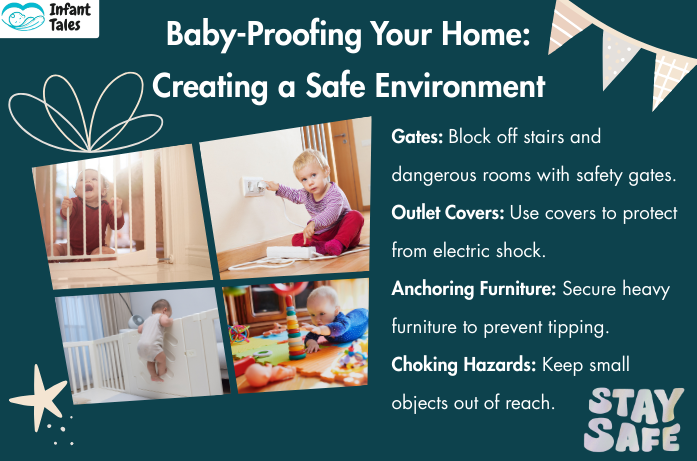
3. Baby-Proofing Your Home: Creating a Safe Environment
As your baby grows and begins to explore, the risk of accidents in the home increases. It’s important to baby-proof your house as early as possible. Start with the basics, and then continuously update your baby-proofing efforts as your child grows and becomes more mobile.
Gates and Barriers: Use safety gates to block off stairs or rooms that may contain dangers, such as the kitchen or bathroom.
Outlet Covers: Protect your baby from electric shock by installing outlet covers on all unused electrical outlets.
Anchoring Furniture: Secure heavy furniture, such as bookshelves and TV stands, to the wall to prevent them from tipping over.
Choking Hazards: Keep small objects, including coins, buttons, and small toys, out of reach to prevent choking accidents.
In Baby Safety Awareness Month, take the time to thoroughly inspect your home for potential hazards. Little adjustments can go a long way in preventing accidents.
4. Bath Time Safety
Bath time should be a fun and relaxing experience for both you and your baby, but it’s important to make safety a priority. Here’s how you can ensure a safe bath time for your little one.
Never leave your baby unattended during bath time. Always stay within arm’s reach of your baby, as drowning can happen quickly, even in shallow water.
Make sure to check the water temperature before placing your baby in the bath. Use your wrist or elbow to test it. The water should be comfortably warm, not hot.
Using a baby bathtub can provide extra stability and prevent your baby from slipping. Also, avoid slippery soaps and use mild, baby-specific bath products to prevent skin irritation or allergic reactions.
By following these simple steps, you can ensure that bath time is both safe and enjoyable for your baby.
5. Preventing Falls: Keep Your Baby Safe as They Grow
As your baby starts crawling, pulling up, and walking, falls become a major safety concern. It’s essential to take the right precautions to keep them safe during these milestones.
Using playpens or play yards is a great way to ensure your baby stays in a safe area. These help prevent your little one from crawling into hazardous spaces like stairs or open windows.
In addition, make sure to keep floors clear of objects like toys, cords, or small household items that could cause your baby to trip. Always supervise your baby, especially when they are learning to walk, to ensure they stay safe and secure.
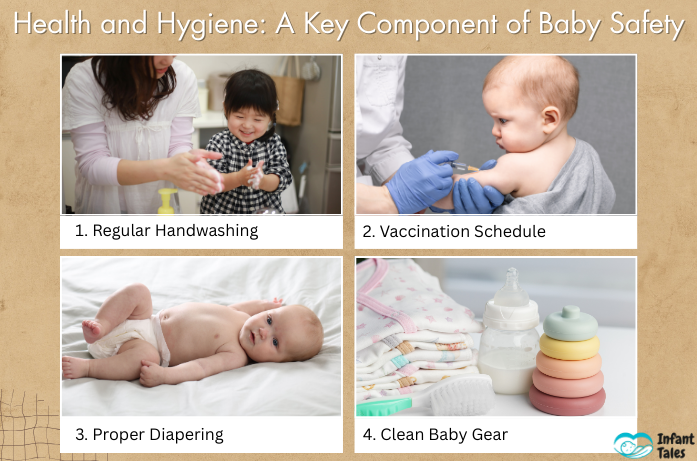
6. Health and Hygiene: A Key Component of Baby Safety
Keeping your baby clean and healthy is an integral part of safety. Parents should also know the common flu symptoms that can affect babies and young children. Here are a few health and hygiene tips to keep your baby safe:
1. Regular Handwashing: Encourage family members to wash their hands before touching the baby, and always wash your hands after diaper changes.
2. Vaccination Schedule: Stay up to date with your baby’s vaccination schedule. Vaccines protect your baby from harmful diseases and illnesses.
3. Proper Diapering: Change your baby’s diaper frequently to prevent diaper rashes and infections. Make sure to use gentle, baby-friendly wipes and creams.
4. Clean Baby Gear: Regularly clean and disinfect baby items like pacifiers, bottles, and toys to prevent the spread of germs.
Good hygiene practices help protect your baby from harmful germs and infections and play a crucial role in their overall safety.
7. Emergency Preparedness: Be Ready for Anything
Accidents can happen at any time, so being prepared is key. One of the most important things you can do is learn Infant CPR. Knowing how to perform CPR on your baby can make a life-saving difference in an emergency. Consider taking a CPR class or watching instructional videos to be prepared for any situation.
Another essential preparation is keeping a well-stocked first aid kit. Make sure your kit includes baby-specific items like thermometers, antiseptic creams, and infant pain relievers. Having these items on hand will allow you to quickly address minor injuries and illnesses.
Lastly, always keep a list of emergency contacts available, including your pediatrician and local emergency services. Having this information easily accessible will help you act quickly and confidently when needed, ensuring you’re ready for any situation that may arise.
FAQs
1. What is Baby Safety Awareness Month, and why is it important?
Baby Safety Awareness Month is an annual campaign aimed at raising awareness about infant safety. It’s a reminder to all parents and caregivers to take steps to ensure the safety and well-being of their babies.
2. When should I start baby-proofing my home?
Start baby-proofing your home as soon as your baby begins to crawl or move around. It’s best to prepare early to reduce the risk of accidents.
3. How can I ensure my baby sleeps safely?
Ensure that your baby sleeps on their back on a firm mattress, free from soft objects. Follow the AAP’s safe sleep recommendations for the best protection.
4. How do I properly install a car seat?
Follow the manufacturer’s instructions carefully, and make sure the car seat is securely installed. Check the car seat’s harness and ensure it fits snugly around your baby.
Conclusion
Baby Safety Awareness Month is a time to reflect on how we can better protect our babies and ensure their safety in every aspect of life. Whether it’s safe sleep practices, car seat safety, or baby-proofing your home, the steps you take today can help prevent accidents and create a safer environment for your baby.
By following the tips in this article, you’re helping ensure your baby can grow and explore in a secure and loving environment. Remember, your vigilance and preparation are key to keeping your little one safe. Stay updated and empowered with expert safety tips at trusted sources such as the CDC.
For more helpful baby care tips, follow Infant Tales and stay updated with expert advice to keep your little one happy and healthy!