By a Caring Mom at Infant Tales
If you’ve ever witnessed a young child hit, you’ve probably felt its emotional impact. A child can be sweet and loving one moment, and the next, they’re hitting you, pushing a sibling, or hitting another child at daycare. Each incident is shocking. Parents keep asking, “Why is my child doing this? Is something wrong? Am I parenting incorrectly?”
But the truth is, hitting is one of the most important developmental behaviors in children between the ages of one and four. It doesn’t mean anger, disrespect, or “bad behavior.” It’s simply that your child’s emotions have overtaken their communication and self-control skills. They’re not trying to hurt you; they’re just stressed.
Let’s break this slowly, truthfully, and with real-life solutions.
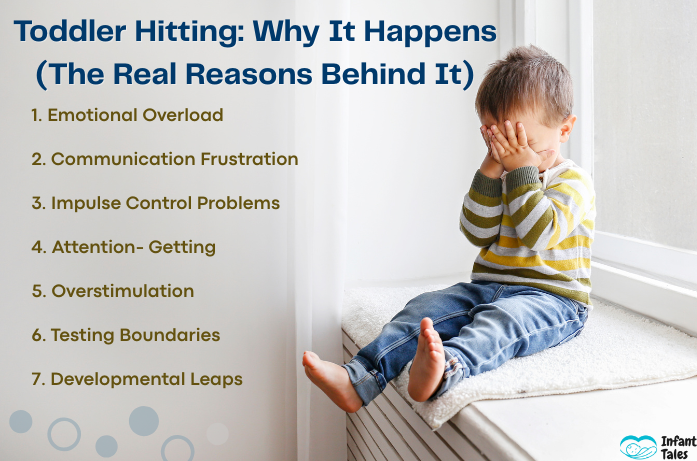
Toddler Hitting: Why It Happens (The Real Reasons Behind It)
One important thing parents should be clear about: Toddlers don’t hit to be naughty. They hit because their brains are still developing. The emotional brain (limbic system) is very active, while the logical brain (prefrontal cortex) is still emotionally unstable.
When emotions escalate faster than their ability to communicate, toddlers will push, slap, hit, or kick as the fastest way to vent their frustration. That’s why toddlers, especially their mothers, hit so often: they feel safest with you.
Toddlers may also hit when they feel trapped. They get angry when they can’t express their needs, a challenge often seen in children who seem fussy or overwhelmed. They hit when they’re upset and don’t know how to calm down. They hit when a younger sibling takes their favorite toy. They hit when the daycare environment becomes too overwhelming for them. Younger bodies understand the concept of boundaries but don’t yet grasp it.
Understanding why toddlers hitting makes it easier to guide them through it. Organizations that study child development, like Pathways, describe hitting as a communication and regulation issue rather than “bad behavior”:
1. Emotional Overload
Young children are emotional little creatures. They experience a wide range of emotions; it’s just that their expressions are the loudest. Young children feel both good and bad anger, fear, triumph, and disappointment. And when they don’t have good coping skills to deal with these feelings, hitting is a quick and easy physical reaction.
2. Communication Frustration
Young children usually recognize their desires, but they don’t have the vocabulary to communicate them. This wide gap between children’s desires and their ability to communicate them often leads to hitting, especially after the age of two, when language is still developing.
3. Impulse Control Problems
Developing self-control is a slow process. Children do what they want without thinking, and hitting is an impulsive action. They need to be taught to control their impulses through repeated, loving guidance.
4. Attention- Getting
Children sometimes find hitting an easy way to get their parents’ attention. This often happens during major transitions, especially when a young child is hitting a new baby out of jealousy or fear of losing their parents’ love.
5. Overstimulation
Too much noise, new people, crowded places, or too much activity can be overwhelming for toddlers. Overstimulation is one of the main reasons toddlers hit in daycare; especially when toddlers are transitioning or sharing, and fights break out.
6. Testing Boundaries
Toddlers are little scientists. They experiment with cause and effect. Some hitting behavior stems from curiosity to see what your reaction will be.
7. Developmental Leaps
Major developmental stages of physical, verbal, and brain breakthroughs make toddlers more sensitive and reactive for a time.
Hitting is part of the tantrum phase of growing up, but it can be controlled and taught. What they really need is loving, consistent instruction, not punishment or shaming.
Toddler Hitting: What It Looks Like in Real Life
Toddler hitting usually happens in the places where your child feels the strongest emotions at home with parents, around siblings, or in busy environments like daycare. Many toddlers hit their parents because they feel safest showing their big feelings with you. When a younger sibling or new baby enters the family, jealousy or confusion can lead to hitting, even if the toddler doesn’t want to hurt them.
At daycare, hitting often comes from overstimulation, sharing struggles, or being unable to express needs. Understanding where hitting happens helps parents respond calmly and stay consistent.
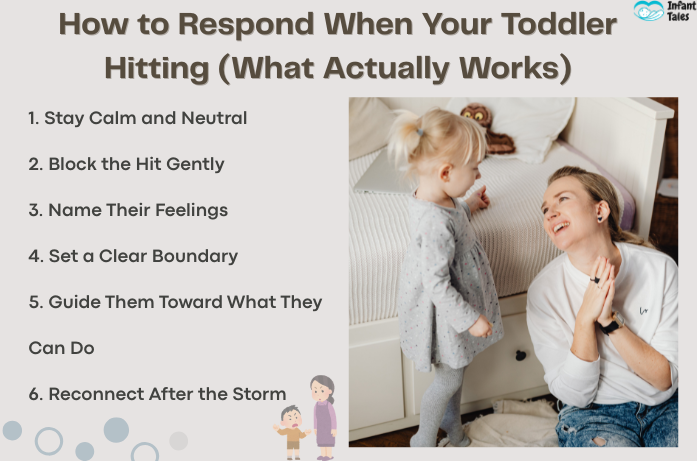
How to Respond When Your Toddler Hitting (What Actually Works)
The goal is to remain calm and teach the child other behavior. Children don’t learn in times of fear or shame. They will only learn in an environment where they feel safe.
Experts at the American Academy of Pediatrics give very similar advice: stay calm, set clear limits, and teach better ways to express emotions:
1. Stay Calm and Neutral
Your toddler will need your calmness when they have lost theirs. Yelling, reacting strongly or punishing may result in increasing the behavior. A calm tone will in turn create emotional safety.
2. Block the Hit Gently
Raise your hand and protect yourself or the child. Say something simple like: “I won’t let you hit.” This is a firm, clear, and respectful statement.
3. Name Their Feelings
This can help to manage the emotional overload: (“You feel angry because I said no”, “You are upset because that toy was taken away from you”, “You are frustrated because you have not yet learned to articulate your thoughts”)
This not only builds-up emotional vocabularies but also helps to lower the chances of future aggressive acts.
4. Set a Clear Boundary
Toddlers require tranquillity brought about by firm boundaries. “Hitting hurts. Hands stay gentle.” Boundaries are most effective when they are concise and consistently enforced.
5. Guide Them Toward What They Can Do
Here are some examples of redirection:
-
- You can ask for help.
-
-
- You can stomp your feet.
-
- You can hit this pillow instead of people.
-
- You can say ‘My turn!’ instead of hitting.
This teaches them the right skill instead of just stopping the wrong one.
6. Reconnect After the Storm
Once they calm down, offer a hug or gentle reassurance. Connection helps behaviour improve faster.
How to Prevent Toddler Hitting in the Long Run
To stop toddler hitting, one needs to be emotionally educated, have a clear structure, and establish a strong relationship.
1. Lower Stress & Overstimulation: The noise and movement in the home contribute to hitting. Babies and toddlers alike will feel safe if they know there is a routine.
2. Daily Emotional Naming Practice: When your child has a wide range of emotions categorized, it will be less likely that he will resort to hitting as a way of expressing them.
3. Avoid Power Struggles: Toddlers will resort to bad behaviour if they feel that their feelings are not taken into consideration. Let your little one choose between two things that are acceptable to you or involve them in making small decisions.
4. Model Gentle Touch: Teach them the right way to touch. Have “soft hands” practice using your arm or a toy.
5. Fill Their Attention Cup: Daily, give 10 minutes of one-on-one time. This significantly reduces toddler hitting the baby or mom out of jealousy.
6. Use Predictable Routines: Toddlers love structure. Their impulsive behaviours decrease when they feel secure.
7. Stay Close When They Play with the Baby: A toddler should never be left alone with a baby until tenderness and good behaviour are established as a routine.
8. Limit Screen Time: Behaviour may worsen due to over-stimulation from the screens.
9. Use Calm-Down Strategies: Prepare some calming techniques for your child: deep breathing, blowing out mindful candles, cuddling with a toy, jumping on a trampoline. Children learn best when the situation is calm, not angry
Teaching Toddler Not to Hit: Gentle, Practical Techniques
1. Gentle Behaviour to be Modeled: Imitation is the way toddlers learn. Show gentle touch frequently.
2. Use emotion coaching: Rather than hitting, encourage them to yell “I’m mad!”
3. Safe Outlets to be Offered: Hitting a pillow, stamping feet, squeezing a stress ball, or asking for help are some good ways to release frustration.
These skills build emotional regulation and reduce aggression naturally over time.
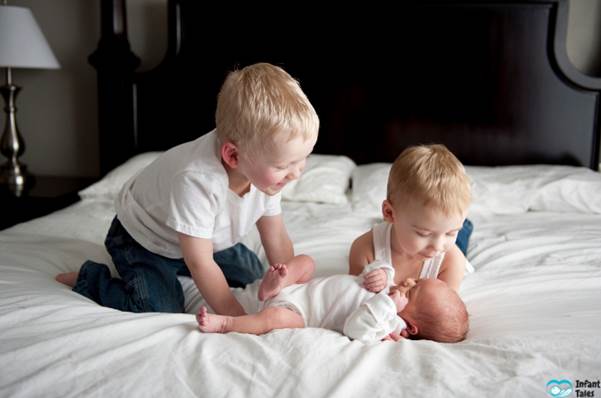
What to Do When Toddler Hits Baby or New Sibling
This situation can be upsetting, but it’s usually caused by insecurity, confusion, or jealousy, not by any ill intentions. Maintain your composure and try not to embarrass the child.
Stay close to your child when they’re playing and gently control their actions. Make your toddler your assistant by asking them to do small things for you. Toddlers fear being replaced, so keep them connected throughout the day.
Enhance every gentle gesture: “You touched the child so gently. That was really nice.” With time and trust, hitting becomes less common.

Toddler Hitting at Daycare: What It Really Means
Daycare hitting is usually a sign of:
-
- Overstimulation
-
-
- Inability to share
-
- Separation anxiety
-
- Feeling left out in a crowd
-
- Communication problems
-
- Adjusting to routine changes
Have a talk with the daycare teachers regarding the consistent reactions from your side. The toddlers learn faster when both home and daycare apply the same soothing method.
When to Seek Professional Support
Most hitting stops on its own, but it can be the case when professional help is sought:
-
- Hitting is severe or daily
-
-
- Your toddler purposely injures the baby
-
- There is no improvement after age 4–5
-
- Your child exhibits signs of sensory problems
-
- Language development is slow
-
- Your toddler frequently injures themselves
-
- Aggressive behavior suddenly appears after trauma
These provide trustworthy developmental assistance.
Final Thoughts
Hitting in young children is one of those times you might feel bad about it, but it’s very common and almost always temporary. Your child doesn’t want to be difficult. They’re simply trying to communicate their needs, even though they have very few options.
Your calming responses, clear limits, emotional support, and consistent teaching will help your child learn to deal with strong emotions without resorting to physical action. This time is not a good time for them or for you as a parent.
You’re doing a wonderful job, even on the hard days.
FAQs About Toddler Hitting
1. Is it normal for toddlers to hit their parents?
Definitely. It’s very common and usually at the same time of letting out huge emotions the child feels comfortable to do so. It is not disrespectful behavior, just being overwhelmed.
2. How do I stop my toddler from hitting quickly?
Act calmly, block the hit subtly, acknowledge their feelings, and guide them to do something else. Being consistent has a better effect than using punishment.
3. Why does my toddler hit the baby?
Most of the time, it’s because of jealousy, insecurity, or simply not understanding how delicate the newborn is, especially during the early months when families are adjusting to feeding and caring for a new baby and learning about foods to avoid when breastfeeding.
4. Should I hit my toddler as punishment for hitting?
Severe punishment might actually encourage hitting. Providing gentle correction along with setting clear boundaries and giving safe alternatives will produce a much better result.
5. Will my toddler eventually stop hitting?
Yes. Children that hit mostly around the ages of 3 to 5 are going to stop as their verbal ability, emotional development, and self-control are going to increase.
If this guide provided a better understanding of your toddler’s behavior, don’t miss out on more tips, gentle tactics, and real mom-tested advice at Infant Tales. You are not alone in this expedition; we are right here to support you through every single step of the thick and the thin.