By Infant Tales Team
Parenting is one of the most rewarding yet challenging responsibilities in life. Every parent wants the best for their child, but sometimes mistakes, big or small, can unintentionally affect a child’s emotional, physical, or social development. While no parent is perfect, consistent patterns of harmful behavior or neglect can fall under what many experts, including child psychologists and the American Psychological Association (APA), call bad parenting.
In this article, we’ll explore what bad parenting really means, the signs of bad parenting, common examples of bad parenting, and how to avoid these pitfalls so you can foster a healthy, loving environment for your child.
What Is Bad Parenting?
Bad parenting isn’t about the occasional slip-up or a moment of frustration, that’s part of raising children. It’s when harmful patterns like neglect, constant criticism, or lack of care become the norm.
Parenting should feel like guidance and love, not a burden that pushes children away. When kids start seeking distance instead of comfort, or feel unheard rather than supported, it signals a serious breakdown in connection. Over time, this can cause lasting consequences of bad parenting, affecting confidence, emotions, and relationships. Research in child development shows that these patterns often damage a child’s ability to form secure attachments, a principle rooted in attachment theory, a principle rooted in (National Center for Biotechnology Information).
Signs of Bad Parenting Every Parent Should Know
Bad parenting doesn’t happen overnight, it develops through repeated patterns, stress, lack of awareness, or unhealthy habits passed down from previous generations. Recognizing these characteristics of bad parents helps caregivers reflect and make positive changes to nurture healthier, happier relationships with their children.
1. Constant Criticism
Guidance is essential, but when criticism outweighs praise, it damages confidence. Repeatedly hearing phrases like “You’re useless” or “You never do anything right” makes children internalize failure. Instead of feeling encouraged to improve, they begin doubting their abilities and withdraw from challenges out of fear.
Try this instead: Replace harsh words with constructive feedback. For example, instead of saying “You’re so messy,” try “Let’s clean this up together, and next time we can keep it tidier.” This avoids one of the most common parenting mistakes to avoid, as noted by experts in child psychology and parenting.
2. Neglecting Emotional Needs
Food and shelter are basics, but children also crave love and attention. Dismissing feelings with “Stop crying, it’s nothing” or ignoring their need for affection teaches them to hide emotions.
Instead, validate their feelings: “I see you’re upset, let’s talk about it.” Small moments of empathy build emotional security.
3. Lack of Boundaries or Discipline
Children thrive with consistent rules, but extremes cause harm. Overly harsh punishments instill fear, while a complete lack of discipline fosters entitlement and poor self-control.
Balance is key: Clear, kind rules provide security while teaching respect and responsibility. This helps parents avoid harmful types of bad parenting.
4. Overprotectiveness
Protecting children is natural, but being overly controlling stifles growth. Micromanaging their choices, from friendships to hobbies, prevents independence and resilience.
Allow safe decision-making: Let your child pick their clothes or choose a hobby. This prevents another common bad parenting habit, limiting independence and problem-solving skills.
5. Favoritism Between Siblings
Even small differences in treatment can deeply affect children. When one sibling feels overlooked while another receives constant praise, it creates jealousy and resentment.
Aim for fairness, not sameness: Celebrate each child’s unique strengths equally.
6. Ignoring Education and Learning
Children are naturally curious, but without encouragement, that spark fades. Parents who ignore schoolwork or fail to support learning send a message that education isn’t valuable.
Show interest: Ask about their day at school or read together. These small acts foster curiosity.
7. Exposure to Toxic Behavior
Children learn from what they witness daily. Constant yelling, fights, substance abuse, or disrespect between parents create an unsafe environment. Resources like the American SPCC explain how toxic parenting can contribute to lifelong behavioral and emotional challenges.
Model what you want them to see: Respectful communication, patience, and problem-solving. Otherwise, kids absorb these harmful bad parenting patterns, which often lead to behavioral problems later in life.
8. Lack of Communication
Healthy parenting relies on listening as much as speaking. When children feel ignored or dismissed, they withdraw emotionally.
Practice active listening: Maintain eye contact, acknowledge their feelings, and respond thoughtfully.
Effects of Bad Parenting on Children
The impact of bad parenting can be long-lasting. Research in child psychology and developmental studies shows that negative parenting patterns are linked to:
- Low self-esteem and self-worth
- Increased risk of anxiety and depression
- Poor social skills and difficulty maintaining friendships
- Struggles in academics and concentration
- Higher chances of aggressive or rebellious behavior
According to the American Academy of Pediatrics, exposure to neglect or harsh parenting also raises risks of abuse, unsafe environments, and developmental problems.
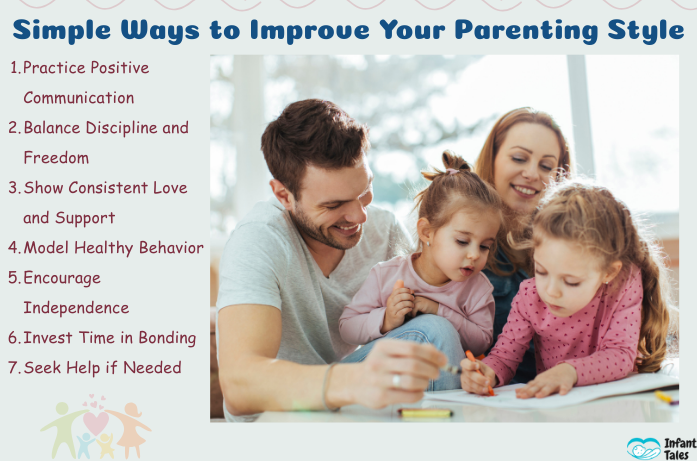
Simple Ways to Improve Your Parenting Style
The good news is that parenting is a learning journey, and it’s never too late to make positive changes. Here are steps to foster healthier parenting and avoid common parenting mistakes:
- Practice Positive Communication: Encourage instead of criticize. Use supportive language.
- Balance Discipline and Freedom: Set clear rules but explain the reasons behind them.
- Show Consistent Love and Support: Small gestures like hugs, listening, and praise go a long way.
- Model Healthy Behavior: Demonstrate respect, kindness, and problem-solving in daily life.
- Encourage Independence: Let children make age-appropriate choices and learn from mistakes.
- Invest Time in Bonding: Reading, playing, or simply talking with your child builds trust.
- Seek Help if Needed: Parenting can be overwhelming. Don’t hesitate to consult a counselor, pediatrician, or parenting support group if you feel stuck.
More practical guidance is available through the CDC’s Positive Parenting Tips.
The Difference Between “Bad Days” and “Bad Parenting”
Every parent has tough days, it’s completely normal. Maybe you snap after a long day, miss a school event because of work, or order takeout instead of cooking. Those moments don’t define you as a bad parent.
Bad parenting isn’t about occasional slip-ups; it’s about repeated patterns of neglect or hurtful behavior over time. What truly matters is the effort to reflect, learn, and keep showing up with love, that’s what makes a good parent.
FAQs About Bad Parenting
Q1: Does yelling once in a while make me a bad parent?
No. Occasional frustration is normal. What matters is reconnecting with your child afterward.
Q2: How do I know if I’m too strict or too lenient?
If your child fears you, you may be too strict. If they ignore rules, you may be too lenient.
Q3: Can bad parenting be unlearned?
Yes. Awareness is the first step. With effort and support, harmful patterns can be changed.
Q4: What should I do if I notice bad parenting habits?
Start small, listen more, show empathy, and seek support if needed.
Final Thoughts
Parenting is not about perfection but about consistency, love, and growth. Recognizing the signs of bad parenting doesn’t mean failure, it shows awareness and the willingness to create a healthier, more supportive environment for your child’s well-being.
By avoiding negative parenting styles and embracing empathy, communication, and balanced discipline, you help children build resilience and confidence. Every small effort, listening, guiding, or showing affection, counts toward raising a compassionate, emotionally secure individual. Parenting is progress, not perfection.
Disclaimer: This article is for informational purposes only. It should not replace professional medical, psychological, or counseling advice. If you have concerns about your parenting or your child’s well-being, please consult a qualified professional.
💡 At Infant tales, we’re here to support parents with practical, heart-centered tips that make everyday parenting easier. If this article helped you, explore our other guides or share it with a fellow parent who might need encouragement today.