
Pregnancy brings in numerous new sensations, but one moment many mothers break to question is: what do baby hiccups feel like in the womb? However, you’re likely feeling fetal hiccups, one of the cutest and most fascinating corridors of your baby’s development, if you’re noticing bitsy metrical gates or gentle beats. These movements may be surprising at first, yet they’re frequently fully normal and indeed cheering as your little bone grows stronger each day.
Baby hiccups are a common part of Pregnancy and are caused as your baby practices breathing movements in the womb. Numerous mothers first notice these sensations around the alternate or third trimester. Your experience may be analogous to how a newborn baby hiccups after feeding, gentle, metrical, and repetitious, but fully harmless.
What Do Baby Hiccups Feel Like in the Womb?
Fetal hiccups feel different from kicks or rolls. Mothers frequently describe them as soft tapping sensations, light beats, or gentle films that repeat at a steady meter. These movements do not shift around your belly the way kicks do. Rather, they remain in one spot and palpitate with the same beat, creating a recognizable pattern over time. This steady, predictable meter is what makes baby hiccups in the womb feel like bitsy internal pops.
These hiccups are because your baby is rehearsing breathing movements by gobbling small quantities of amniotic fluid. As the diaphragm strengthens, occasional hiccups do occur, fully normal and healthy. Occasionally, mothers worry when their baby has lots of hiccups in the womb, but frequent occurrences are generally just a sign of good development.
During the third trimester, hiccups may feel lower in the belly or deeper in the pelvis, especially once your baby settles into a head-down position. Some mothers indeed feel them near the vaginal area because the diaphragm movements can travel downward.

Why Do Babies Hiccup in the Womb?
Hiccups are generally caused as part of your baby’s lung and diaphragm development. They help prepare your little bone for breathing singly after birth. Research from trusted medical and pregnancy associations, including guidance from UT Southwestern Medical Center, explains that these rhythmic movements are a normal developmental milestone:
You may notice hiccups more frequently after meals. This is because your blood sugar changes or your body becomes more active after eating. Numerous awaiting mothers wonder, why does my baby get hiccups after eating, and the answer is simple: your baby responds to your body’s increased energy and movement, causing further frequent breaths.
It’s also fully normal to ask, do babies have a hiatus in the womb, especially if it’s your first Pregnancy. The answer is yes, and nearly all babies witness these revulsions at some point before birth.
How Long Do Baby Hiccups Last and Are They Safe?
A typical episode lasts a few minutes, sometimes up to ten or fifteen minutes. These movements are nearly always inoffensive and don’t cause discomfort to your baby. They can come stronger as your little bone grows, simply because there’s less space inside the womb.
While hiccups are normal, there aretimes whenn you should pay attention. However, violent or extremely frequent late in Pregnancy, if hiccups suddenly come, surprisingly long. Most of the time, nothing is wrong, but it’s always best to check in if the commodity feels different from your usual pattern.
Short, metrical occurrences spread throughout the day are part of a healthy Pregnancy. Some babies indeed continue to hiccup constantly after birth. Parents frequently wonder, why does my baby always have hiccups, newborns hiccup frequently because their digestive and nervous systems are still developing.

Where do in the Belly?
Hiccups can be felt in many places depending on your baby’s position. Some mothers feel them on one side of the tummy, while others feel them deeper in the pelvis. However, you might feel soft gates low in your belly because the diaphragm is below the casket, if your baby is head- down.
These small metrical movements tend to stay in one place. Unlike kicks that travel across the belly, hiccups have a harmonious pattern that lasts through the occasion. Some moms describe the feeling as if a tiny heartbeat were tapping inside, but stronger and more pronounced.
Tips for Handling Frequent Baby Hiccups
Hiccups don’t need to be stopped, but you can make yourself more comfortable. Changing positions, drinking water, or gently stretching can shift how you feel the movement. Lying on your left side can also help ease the sensation, especially at night.
Hiccups are infrequently disruptive, but if you find them uncomfortable, moving around or conforming your posture may help. Occasionally, standing or walking for a minute can reduce the intensity.
Still, rest assured that baby hiccupping in sleep is also veritably normal, if your baby continues this pattern indeed after birth. It’s simply a sign that your baby’s diaphragm is still growing, and the kickback is inoffensive.
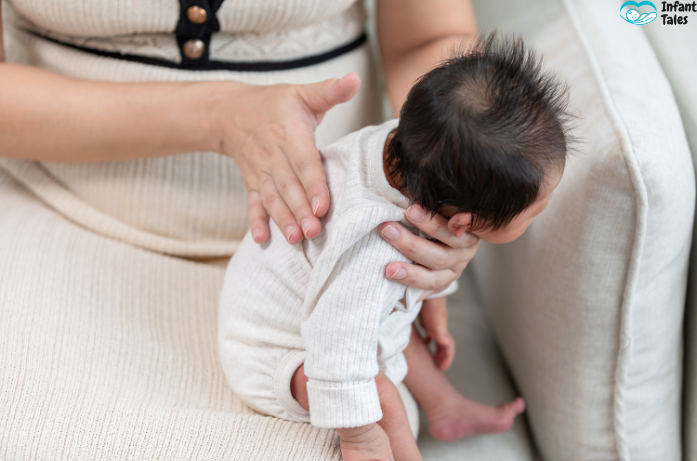
Newborn Baby Hiccups After Feeding and How to Calm Them
Newborns frequently hiccup after feeding, and it feels very analogous to the gentle measures you may have noticed during Pregnancy. Their digestive system and diaphragm are still developing, so when a baby quaffs air or drinks a little too snappily, the stomach can expand and spark light, repetitive hiccups. These generally last a few minutes and are fully inoffensive. Most babies keep feeding, sleeping, or relaxing without being bothered at all. According to maternity experts at Pregnancy Birth Baby, these hiccups are common, harmless, and usually nothing to worry about:
Still, try breaking the feeding and holding your baby upright so their diaphragm can relax, if you want to help calm invigorated hiccups. Burping them more frequently during and after feeds can also help reduce air from building up. Offering laggardly, paced feeding helps your baby swallow further easily. These gentle ways are generally enough to settle hiccups, and indeed, if they continue for a bit, it’s veritably normal and nothing to worry about.
FAQs About Baby Hiccups in the Womb
Q.1 Do babies hiccup in the womb frequently?
Yes, fetal hiccups are common and generally increase as your baby grows and practices breathing.
Q.2 Why does my baby get hiccups after I eat?
Your baby may respond to your increased blood sugar or movement situations, which stimulate breathing practice.
Q.3 Can you feed a baby while they have hiccups?
Numerous parents wonder, can you feed a baby while they’ve hiccups, and the answer is yes, you can. Hiccups do not generally interfere with feeding, although some babies may break and renew once the hiccups settle.
Q.4 Are fetal hiccups a sign of distress?
Not generally. Most of the time, hiccups are a healthy sign of development. However, speak with your healthcare provider If commodity feels unusual orif ther baby’s movement pattern changes drastically.
Q.5 Why does my baby always have hiccups?
Some babies simply hiccup more frequently than others. Their diaphragm and nervous system are still developing, which makes hiccups more frequent.
Q.6 How does it feel when the baby has lots of hiccups in the womb?
You may feel repeated taps in one position, soft beats, or metrical films that continue for a few minutes at a time.
Final Thoughts
Feeling hiccups inside the womb is one of the sweetest reminders that your baby is growing and rehearsing essential skills. Understanding what baby hiccups feel like in the womb helps you feel these tiny metrical movements as a fully normal part of Pregnancy. Whether they feel like light gates, soft pops, or gentle beats, fetal hiccups are frequently a reassuring sign of healthy development.
As always, trust your instincts during Pregnancy. However, your healthcare provider is there to guide and support you if anything ever feels unusual or if you’re upset about a change in movement.
Want more newborn care advice that’s simple, clear, and mom-approved? Visit Infant Tales for guides that support you through every milestone.
Medical Disclaimer: This article provides general educational information and shouldn’t be used as a cover for medical advice. Always consult your healthcare provider with concerns about fetal movement or Pregnancy symptoms.