By a Caring Mom at Infant Tales
Pregnancy is a beautiful journey filled with anticipation, emotions, and a powerful instinct to protect your baby in every possible way. From choosing nourishing foods to attending regular prenatal checkups, every decision feels meaningful. One topic that often creates confusion and worry among parents is the pregnancy vaccination schedule. Many expecting mothers ask questions like: Are vaccines really safe during pregnancy? When should I take them? Will they affect my unborn baby?
These concerns are completely natural. Vaccines can feel intimidating, especially when you are making choices not just for yourself, but for the tiny life growing inside you. The reassuring truth is that decades of medical research show that vaccines during pregnancy are safe when recommended and play a vital role in protecting both mother and baby. Some vaccines even help protect newborns during their earliest and most vulnerable weeks of life.
This detailed guide from Infant Tales is written in a calm, parent-friendly way to help you clearly understand the vaccination schedule during pregnancy, which vaccines are considered safe, when they are usually given, what benefits they provide, and how to care for yourself before and after vaccination. Our goal is to inform, comfort, and guide you, without fear or pressure.
Why the Pregnancy Vaccination Schedule Is Important
The pregnancy vaccination schedule is carefully designed to protect both mother and baby at the right time. During pregnancy, your immune system naturally adjusts to support your growing baby. While this is a healthy and necessary change, it can make you more vulnerable to infections.
Some illnesses that cause only mild symptoms in adults can become serious or even life-threatening for newborns. What makes vaccination during pregnancy especially valuable is that protective antibodies pass from mother to baby through the placenta. This means your baby is born with temporary immunity that helps protect them during the first few months of life, until they can receive their own routine vaccinations.
Following the recommended vaccination schedule during pregnancy has been shown to:
- Reduce the risk of severe illness in pregnant mothers
- Lower the chances of infection-related complications such as preterm birth
- Protect newborns from dangerous diseases early in life
In simple terms, getting vaccinated during pregnancy is a powerful way of protecting two lives at once. According to guidance from the U.S. Department of Health & Human Services, vaccination during pregnancy helps reduce serious illness in mothers and provides early protection to newborns through transferred antibodies.
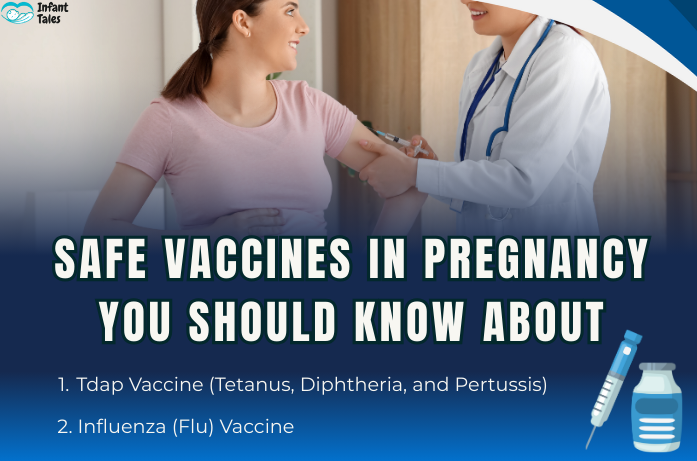
Safe Vaccines in Pregnancy You Should Know About
Not every vaccine is given during pregnancy, but some are strongly recommended because they are proven to be both safe and highly beneficial. These are known as safe vaccines in pregnancy, supported by years of research and global medical guidelines.
These recommendations are supported by global public health authorities, including the Centers for Disease Control and Prevention (CDC), which outlines clear vaccination guidelines specifically for pregnant women.
Tdap Vaccine (Tetanus, Diphtheria, and Pertussis)
The Tdap vaccine is one of the most important vaccines during pregnancy. It protects against tetanus, diphtheria, and pertussis (whooping cough). Among these, whooping cough is especially dangerous for newborns.
Medical guidance from the American College of Obstetricians and Gynecologists (ACOG) emphasizes that the tetanus injection in pregnancy should be given between 27 and 36 weeks to maximize antibody transfer to the baby.
Key benefits of the Tdap vaccine:
- Newborns cannot be vaccinated against whooping cough immediately after birth
- Whooping cough can cause severe breathing problems in young infants
- Maternal antibodies help protect the baby during the first months of life
- It is recommended during every pregnancy, even if taken before
Influenza (Flu) Vaccine
The flu vaccine is recommended during any trimester of pregnancy, especially during flu season. Pregnancy affects how your heart, lungs, and immune system function, which can make flu infections more severe than usual.
This is one of the most commonly recommended vaccines during pregnancy because it protects both mother and baby.
Benefits include:
- Reduced risk of severe flu symptoms in the mother
- Lower chance of high fever, which can affect the developing baby
- Flu protection for the baby for several months after birth
Only the injectable flu shot is recommended during pregnancy. The nasal spray flu vaccine is avoided.
Pregnancy Vaccines Chart
Many parents find it helpful to see information clearly organized. Below is a simple pregnancy vaccines chart to help you understand when vaccines are usually given and why they matter.
| Vaccine | When It Is Given | Main Benefits |
| Flu Vaccine | Any trimester (during flu season) | Protects mother from severe flu and gives baby early immunity |
| Tdap (includes tetanus injection in pregnancy) | 27–36 weeks | Protects newborn from whooping cough and tetanus |
| Hepatitis B (if needed) | Based on risk | Prevents infection that can pass from mother to baby |
| Live vaccines (MMR, Varicella) | Before pregnancy or after delivery | Not safe during pregnancy |
Your healthcare provider may adjust this schedule based on your health history, lifestyle, or exposure risks. National immunisation guidance from the Australian Department of Health supports the use of structured vaccination schedules during pregnancy, highlighting the safety and importance of vaccines like flu and Tdap for both maternal and newborn health.
Vaccines That Are Not Recommended During Pregnancy
Some vaccines are avoided during pregnancy because they contain live weakened viruses. These vaccines are usually postponed until after delivery.
Examples include:
- Measles, mumps, rubella (MMR)
- Chickenpox (varicella)
- Nasal spray flu vaccine
If a live vaccine is accidentally given early in pregnancy, it does not automatically mean harm. Doctors will guide you with reassurance and careful monitoring.
When to Take Vaccines During Pregnancy
Understanding when to take vaccines is just as important as knowing which ones to take.
- First trimester: Flu vaccine can be given if it is flu season
- Second trimester: Flu vaccine if not already taken
- Third trimester (27–36 weeks): Tdap vaccine (tetanus injection in pregnancy)
Your doctor will guide you on exact timing based on your pregnancy progress.
What to Expect at Vaccination Appointments
During prenatal visits, your healthcare provider will review your medical history and discuss the vaccination during pregnancy that best suits your needs. They will explain why each vaccine is recommended and answer your questions.
Vaccines are usually given as quick injections and take only a few minutes. Mild side effects such as:
- Soreness or swelling at the injection site
- Mild fatigue
- Slight fever
These effects are temporary and usually resolve within a day or two.
Care Before Getting Vaccinated During Pregnancy
Taking a little care before vaccination can help your body respond well.
Before vaccination:
- Eat a balanced meal to avoid dizziness
- Drink plenty of water
- Get adequate rest the night before
- Inform your doctor about allergies or previous reactions
Foods to eat before vaccination:
- Fresh fruits (oranges, apples, berries)
- Whole grains
- Yogurt or curd
- Nuts and seeds
These foods help support your immune system.
Care After Vaccination During Pregnancy
After vaccination, gentle self-care helps your body recover smoothly.
After vaccination tips:
- Rest for the day if possible
- Drink plenty of fluids
- Apply a cool compress if the injection site feels sore
- Avoid heavy physical activity for 24 hours
Foods to eat after vaccination:
- Warm soups or broths
- Cooked vegetables
- Protein-rich foods like lentils or eggs
- Herbal teas (doctor-approved)
If you experience high fever, severe pain, or unusual symptoms, contact your healthcare provider.
How Vaccines Protect Babies After Birth
Babies are born with immature immune systems. By following the pregnancy vaccination schedule, mothers pass antibodies that act as a temporary shield. This protection lasts until babies are old enough to receive their routine childhood vaccines.
The first two to three months after birth are especially critical, making maternal vaccination an important layer of protection.
Emotional Support and Informed Choices
Feeling nervous about vaccines does not mean you are careless, it means you care deeply. Learning about safe vaccines in pregnancy helps replace fear with confidence. Honest conversations with your doctor and reliable information make decision-making easier and calmer.
Final Thoughts from Infant Tales
The pregnancy vaccination schedule is a simple yet powerful way to protect both mother and baby. Vaccines during pregnancy are backed by years of research and real-world experience, helping reduce serious illness and giving newborns a safer start in life.
You don’t need to memorize medical terms or feel overwhelmed. Stay informed, attend regular prenatal visits, nourish your body, and trust that caring for yourself is one of the best ways to care for your baby. At Infant Tales, we believe informed parents feel calmer, stronger, and more confident on their parenting journey.
FAQs
1. Can vaccines during pregnancy harm my baby?
No. Vaccines that are recommended during pregnancy are carefully tested for safety. They do not cause birth defects and instead help protect your baby from serious infections during the first few months after birth.
2. When is the best time to follow the pregnancy vaccination schedule?
The timing depends on the vaccine. The flu vaccine can be taken in any trimester during flu season, while the Tdap (tetanus injection in pregnancy) is usually given between 27 and 36 weeks for the best protection for your baby.
3. What happens if I miss a vaccine during pregnancy?
If you miss a recommended vaccine, speak with your healthcare provider as soon as possible. In many cases, it can still be given later in pregnancy or shortly after delivery to protect you and your baby.
4. Are there any side effects of vaccines during pregnancy?
Most side effects are mild and temporary. These may include slight pain at the injection site, mild fever, or tiredness. Serious reactions are very rare. Always inform your doctor if you feel unwell after vaccination.
5. Do I need vaccines during pregnancy if I was vaccinated before?
Yes, some vaccines, like the Tdap, are recommended during every pregnancy. This is because antibody levels decrease over time, and receiving the vaccine again helps provide strong protection to your newborn.
Medical Disclaimer: This article is for informational purposes only and does not replace professional medical advice. Always consult your healthcare provider for personalized guidance regarding vaccinations and pregnancy care.