
By a Caring Mom at Infant Tales
Pregnancy is a season filled with anticipation, joy, and countless physical changes. While some changes are expected, others arrive quietly and leave you wondering whether what you’re feeling is normal. One such concern that often surprises expecting mothers is Low Blood Pressure in Pregnancy. It doesn’t receive as much attention as high blood pressure, yet it affects many women, especially during early and mid-pregnancy.
Moments of dizziness, sudden weakness, or feeling lightheaded can feel unsettling when you’re carrying a baby. It’s natural to worry about your own health and your baby’s safety. The reassuring truth is that in most healthy pregnancies, low blood pressure is common, temporary, and manageable with simple care. Understanding what’s happening inside your body can ease fear and help you respond calmly and confidently.
This article from Infant Tales is written with warmth and clarity to support new parents and caregivers. It aims to inform, comfort, and guide, without panic or pressure, so you feel empowered throughout your pregnancy journey.
What Does Low Blood Pressure Mean During Pregnancy?
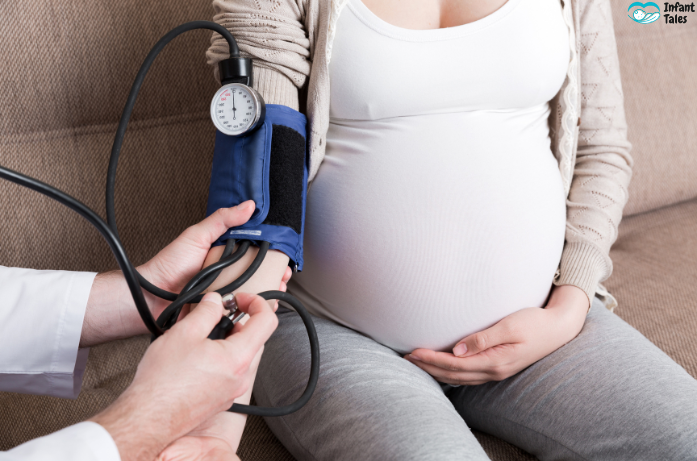
Blood pressure measures how strongly blood pushes against the walls of your arteries as your heart pumps. A typical healthy reading is around 120/80 mmHg. Doctors usually describe blood pressure as low when it falls below 90/60 mmHg.
During pregnancy, your body goes through remarkable cardiovascular changes. Hormones cause blood vessels to relax and widen, allowing more blood to flow easily to the uterus and placenta. This process supports your growing baby but can also lead to low bp in pregnancy, particularly during the first and second trimesters.
This normal physiological adaptation is well explained in cardiovascular research published by the American Heart Association, which highlights how vascular relaxation supports pregnancy but may temporarily lower blood pressure.
Reference:
Low Blood Pressure in Pregnancy: Why It Happens
Understanding why blood pressure drops can help you feel reassured rather than alarmed.
As pregnancy progresses, your circulatory system expands rapidly to meet the demands of your baby. Blood vessels widen faster than the increase in blood volume, which temporarily lowers pressure. Hormonal changes also slow how quickly blood returns to the heart, especially when you stand up suddenly.
Later in pregnancy, lying flat on your back can compress major blood vessels, reducing blood flow and causing sudden light headedness. In most cases, your body gradually adapts, and blood pressure stabilizes as pregnancy advances.
A detailed medical review available through National Center for Biotechnology Information explains how these cardiovascular adaptations are a normal part of pregnancy and usually resolve on their own.
Symptoms You May Notice
Every pregnancy feels different. Some women experience barely noticeable changes, while others feel symptoms more clearly. Recognizing them early can help you manage daily activities safely.
The symptoms of low blood pressure in pregnancy may include dizziness, light headedness, fainting, blurred vision, nausea, weakness, fatigue, cold or clammy skin, headaches, and difficulty concentrating. These symptoms often appear after standing too quickly, skipping meals, becoming dehydrated, or standing for long periods.
It’s also common for symptoms to come and go. Fluctuations usually reflect hormonal shifts and changes in circulation. However, symptoms that persist or worsen deserve medical attention.
What Causes Blood Pressure to Drop?
Several factors can contribute to falling blood pressure during pregnancy. Understanding the causes of low blood pressure in pregnancy helps remove unnecessary fear.
Hormonal changes are the most common reason, as pregnancy hormones relax blood vessels. Dehydration from morning sickness, vomiting, or low fluid intake reduces blood volume. Low blood sugar from skipping meals can also trigger weakness and dizziness.
Other contributing factors include prolonged standing, overheating, anemia, infections, or lying flat on the back in later pregnancy. Rarely, heart-related conditions may play a role, which is why persistent or severe symptoms should always be evaluated by a healthcare provider.
Is Low Blood Pressure Harmful for the Baby?
In most uncomplicated pregnancies, low blood pressure does not harm the baby. Mild drops are usually temporary and improve as the body adjusts.
Potential risks arise only if blood pressure becomes extremely low or if fainting leads to falls or injuries. Reduced blood flow to the placenta is uncommon but possible in severe, untreated cases. This is why regular prenatal visits are essential, they allow healthcare providers to monitor changes and address concerns early.
Safe Medical Care and Monitoring
When symptoms interfere with daily life, doctors focus on supportive, non-invasive care. Low blood pressure during pregnancy treatment usually avoids medication unless there is an underlying condition that requires it.
Healthcare providers may suggest increasing fluid intake, improving nutrition, correcting anemia if present, and modifying daily habits. Blood tests or blood pressure monitoring may be used to rule out infections or other concerns. Most women see improvement with lifestyle adjustments alone.
Gentle Daily Care at Home
Small, consistent habits can make a big difference. Many women find relief through simple routines. Home remedies for low blood pressure in pregnancy are often safe, effective, and easy to follow.
Drinking water throughout the day helps maintain healthy blood volume. Eating small, frequent meals supports steady blood sugar levels. Rising slowly from sitting or lying positions prevents sudden dizziness. Resting on the left side improves circulation, especially in later months.
Wearing loose clothing, avoiding hot showers, and taking short breaks during the day can also help reduce symptoms. These gentle steps support your body without adding stress.
Pregnancy health experts from Pregnancy, Birth and Baby emphasize that these simple daily habits are often enough to keep symptoms under control.
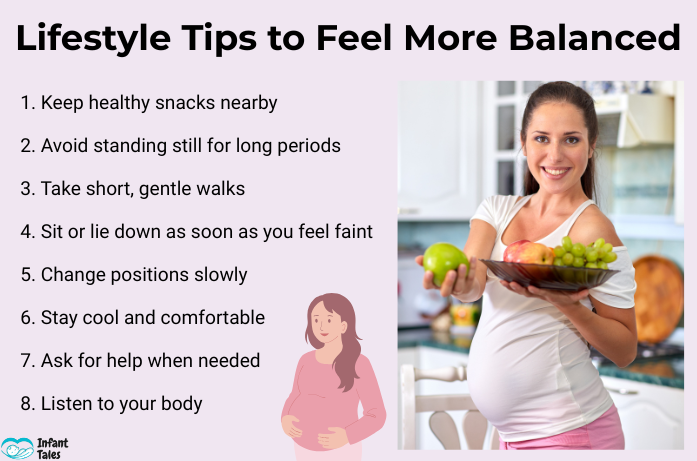
Lifestyle Tips to Feel More Balanced
1. Keep healthy snacks nearby: Eating small, balanced snacks throughout the day helps maintain steady blood sugar levels, which can prevent sudden weakness and dizziness. Include foods with protein, whole grains, and natural sugars for lasting energy.
2. Avoid standing still for long periods: Standing in one place can cause blood to pool in the legs and reduce circulation to the brain. If you must stand, shift your weight, move your legs gently, or take sitting breaks whenever possible.
3. Take short, gentle walks: Light walking improves blood circulation, supports heart health, and reduces feelings of heaviness or fatigue without putting strain on your body.
4. Sit or lie down as soon as you feel faint: Ignoring early signs of dizziness can increase the risk of falls. Lying on your side, especially the left side, helps restore healthy blood flow.
5. Change positions slowly: Rising slowly from sitting or lying down gives your body time to adjust and helps prevent sudden drops in blood pressure.
6. Stay cool and comfortable: Avoid overheating, hot showers, or poorly ventilated spaces, as heat can worsen light headedness.
7. Ask for help when needed: Pregnancy is not the time to push through discomfort. Accepting support with daily tasks helps conserve energy and reduces physical strain.
8. Listen to your body: Paying attention to early signals like fatigue or dizziness allows you to rest and adjust before symptoms become more intense, supporting a safer and calmer pregnancy experience.
When You Should Call Your Healthcare Provider
Even though low blood pressure is often harmless, some symptoms should never be ignored. Contact your healthcare provider if you experience frequent fainting, chest pain, shortness of breath, confusion, vision changes, severe weakness, or symptoms that suddenly worsen.
Trust your instincts. Seeking reassurance is always better than staying silent when something feels off.
Supporting Your Body Through Pregnancy
Pregnancy places emotional and physical demands on your body. Feeling tired or dizzy does not mean you’re weak, it means your body is working continuously to support new life. Prioritize rest, nourish yourself well, and accept support from loved ones.
Medical guidance from trusted organizations such as Mayo Clinic, American College of Obstetricians and Gynecologists, and National Institutes of Health consistently emphasizes that regular prenatal care is the most reliable way to ensure maternal and baby health.
Frequently Asked Questions
1. Is it normal to feel dizzy every day?
Occasional dizziness is common, but daily or intense symptoms should be discussed with your doctor.
2. Can low blood pressure later turn into high blood pressure?
Yes, blood pressure patterns can change throughout pregnancy, which is why routine monitoring matters.
3. Does low blood pressure affect my baby’s oxygen supply?
In most cases, no. Mild low blood pressure rarely interferes with fetal oxygen levels.
4. Can exercise help improve circulation?
Gentle activities like walking can help, but strenuous exercise should be avoided if you feel faint.
5. Will my blood pressure return to normal after birth?
For most women, blood pressure gradually returns to pre-pregnancy levels after delivery.
Final Thoughts
Low blood pressure during pregnancy can feel uncomfortable and even frightening at times, but it is often a normal response to the incredible changes happening in your body. With awareness, gentle care, and regular medical guidance, most women move through this phase safely and confidently.
At Infant Tales, we believe pregnancy information should calm, not overwhelm. Every pregnancy is unique, and learning to listen to your body is one of the most valuable tools you’ll carry into parenthood.
Medical Disclaimer: This content is for informational purposes only and does not replace professional medical advice. Always consult a qualified healthcare provider regarding symptoms, diagnosis, or treatment during pregnancy.