Authored by: A Caring Mom at Infant Tales
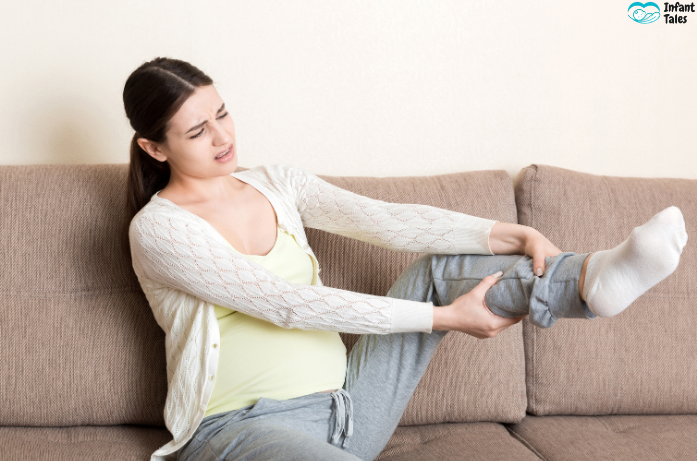
Pregnancy is often described in glowing terms, baby kicks, a growing bump, and the excitement of what’s to come. But real pregnancy also includes aches, tired legs, and sudden discomforts no one always talks about. One of the most common surprises is leg muscle cramps during pregnancy, which can appear without warning and feel intense.
These cramps often strike at night or while you’re going about your day, tightening the calf or foot muscles and causing sudden pain. While they can feel worrying at first, the good news is that leg cramps are very common and usually harmless. This guide from Infant Tales is here to help you understand why they happen, how to find relief, and when to seek medical advice, with care, clarity, and reassurance.
Understanding Leg Muscle Cramps During Pregnancy
Leg cramps are caused by sudden, involuntary muscle contractions, most often in the calves. They can also occur in the feet or thighs. The cramps can last for a few seconds or extend for several painful minutes, and often leave behind lingering soreness or tenderness. Medical explanations from Mayo Clinic describe pregnancy-related leg cramps as painful but usually harmless muscle spasms linked to physical and circulatory changes.
During pregnancy, these cramps tend to become more frequent due to the rapid physical, hormonal, and circulatory changes in your body. Many expectant mothers experience them for the first time in the second trimester, while others notice them more as the baby grows in the third trimester. Although leg cramps can be painful and bothersome, they are rarely dangerous and usually subside or disappear completely after delivery, as also noted in pregnancy health guidance from Pregnancy, Birth and Baby.
Why Pregnancy Makes Leg Cramps More Common
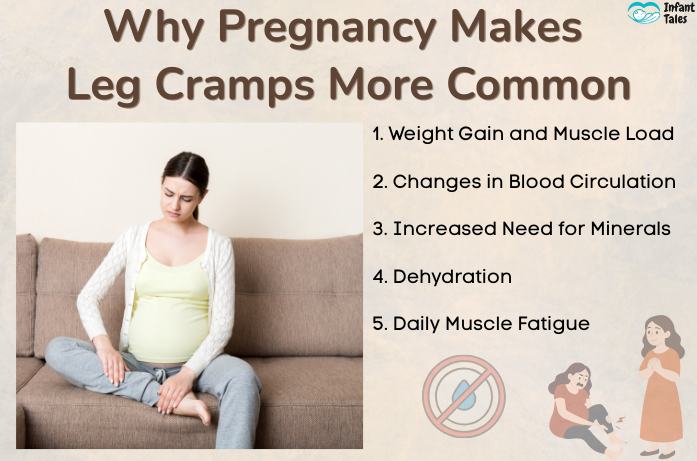
Pregnancy places unique demands on your body, and leg muscles are especially affected. Several factors work together to increase the likelihood of cramping.
1. Weight Gain and Muscle Load
As your baby grows, your body naturally gains weight. Your legs, particularly your calves, carry much of this extra load. Every step, shift in balance, and change in posture asks more of these muscles. Over time, this added strain can lead to fatigue and make muscles more likely to cramp.
2. Changes in Blood Circulation
Pregnancy hormones cause blood vessels to relax so more blood can reach the uterus and placenta. While this is essential for your baby’s development, it can sometimes slow circulation in the legs. Reduced blood flow may contribute to muscle tightness and cramping.
Medical guidance from American Pregnancy Association explains that muscle fatigue and changes in circulation are common contributors to pregnancy-related leg cramps.
3. Increased Need for Minerals
Your body requires higher levels of calcium, magnesium, and potassium during pregnancy. These minerals play a vital role in muscle contraction and relaxation. If your intake doesn’t meet your body’s increased needs, muscles may respond with spasms or cramps, even if the deficiency is mild. Research published in medical literature highlights the role of mineral balance in pregnancy-related muscle cramps.
4. Dehydration
During pregnancy, the body’s need for fluids increases significantly. Even mild dehydration can affect muscle function, increasing the likelihood of cramps. Many expectant mothers don’t realize they are dehydrated until they start experiencing discomfort.
5. Daily Muscle Fatigue
Standing for long periods, walking more than usual, or sitting without moving can tire the leg muscles. Fatigue builds up throughout the day, which is why cramps often occur in the evening or at night.
Leg Muscle Cramps at Night During Pregnancy
One of the most frustrating things about leg cramps during pregnancy is that they often strike just when you finally manage to fall asleep. Nighttime leg cramps are very common during pregnancy and can be incredibly disruptive.
At night, when your body is at rest, blood circulation naturally slows down. Muscles relax, and the feet are often pointed downwards while sleeping, which shortens the calf muscles. This combination creates the perfect conditions for cramps to occur.
Many expectant mothers also experience nighttime leg cramps during pregnancy, with recurring episodes disrupting sleep night after night. Poor sleep can leave you feeling tired, irritable, and emotionally drained the next day. Unfortunately, tired muscles are even more prone to cramping, creating a frustrating cycle.
What to Do When a Leg Cramp Suddenly Happens
When a cramp strikes, knowing how to respond can make a big difference in how long it lasts and how painful it feels.
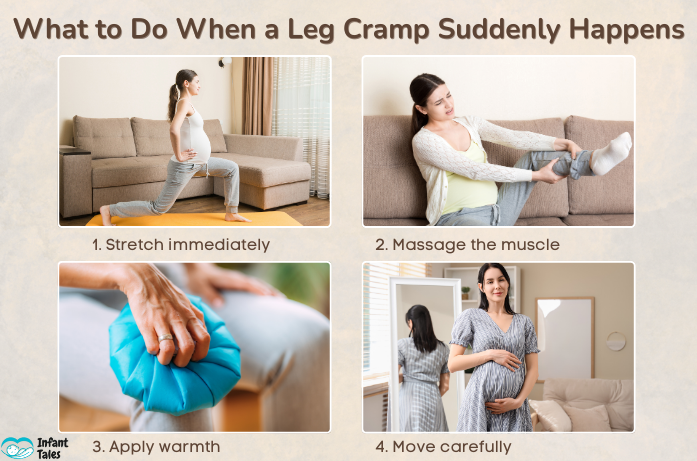
1. Stretch immediately
Straighten your leg and gently pull your toes upward toward your shin. This movement lengthens the calf muscle and often stops the cramp quickly.
2. Massage the muscle
Use your hands to apply firm but gentle pressure to the cramped area. Massage encourages blood flow and helps the muscle relax.
3. Apply warmth
A warm shower, warm towel, or heating pad set on low can soothe tight muscles and reduce lingering soreness.
4. Move carefully
If you’re able, stand up and walk slowly for a short distance. Gentle movement helps restore circulation and release tension.
How to Get Rid of Leg Cramps During Pregnancy Safely
While it may not be possible to prevent every cramp, consistent daily habits can significantly reduce how often they occur and how intense they feel.
1. Hydration Matters More Than You Think
Drinking water regularly throughout the day supports healthy muscle function. Aim for steady hydration rather than waiting until you feel thirsty, which is often a late signal. Parenting health resources such as Kids Health note that dehydration is a common but often overlooked cause of leg cramps in both children and adults, including during pregnancy.
2. Gentle Stretching Every Day
Stretching your calves and legs daily, especially before bedtime, helps keep muscles flexible and less prone to tightening at night.
3. Balanced, Nourishing Nutrition
A diet rich in calcium, magnesium, and potassium supports muscle health. Dairy products, leafy greens, nuts, seeds, beans, and fruits are all excellent choices.
Organizations such as March of Dimes highlight the importance of proper nutrition in managing common pregnancy discomforts, including muscle cramps.
4. Supportive Footwear
Shoes with good arch support reduce strain on leg muscles during daily activities. Avoid wearing unsupportive footwear for long periods.
5. Avoid Staying Still Too Long
Changing positions often, taking short walks, and gently moving throughout the day helps maintain circulation and prevents muscle fatigue.
6. Sleep Position Awareness
Sleeping on your left side improves blood flow and reduces pressure on major blood vessels, which may ease leg discomfort and cramping.
Leg Cramps During Pregnancy: A Shared Experience
The term leg cramps during pregnancy describes an experience shared by parents around the world. You may also hear it referred to casually as leg cramps on pregnancy or cramp leg pregnancy, which reflects just how common and widely discussed this issue is.
If you’re dealing with leg cramps, it’s important to remember that this is not a sign of weakness or something you caused. It’s simply part of how the pregnant body adapts to rapid change.
Can Compression Socks Help With Pregnancy Cramps?
Some parents find relief from wearing compression socks for leg cramps during pregnancy, particularly those who stand for long hours or experience swelling in the legs. Compression socks gently support blood flow, which may reduce muscle fatigue and discomfort.
Before using compression socks, it’s a good idea to speak with your healthcare provider about proper sizing and whether they’re suitable for your individual needs.
When Should You Seek Medical Advice?
Most leg cramps during pregnancy are harmless, but there are times when medical advice is important. Contact your healthcare provider if you experience:
- Severe or persistent leg pain
- Swelling, redness, or warmth in only one leg
- Sudden swelling in the face or hands along with leg pain
These symptoms may point to a condition that requires medical evaluation.
Leg Cramps After Pregnancy: What to Expect
Many parents notice significant improvement in leg cramps after delivery, but some still experience leg cramps after pregnancy as the body adjusts. Hormonal shifts, fluid changes, fatigue, and recovery from childbirth can all play a role.
Similarly, leg cramps post pregnancy may occur during the postpartum period, especially if sleep is limited or hydration is inadequate. In most cases, gentle stretching, drinking enough fluids, and getting rest when possible help these cramps fade with time.
Swelling, Circulation, and Muscle Comfort
Swelling in the legs and feet can make muscle discomfort worse. Elevating your legs, staying gently active, and moderating salt intake can help reduce swelling from pregnancy, which may also lower the risk of leg cramps.
The Emotional Side of Living With Repeated Cramps
Physical discomfort doesn’t exist in isolation. Repeated leg cramps, especially those that disturb sleep, can take an emotional toll. Feeling tired, frustrated, or discouraged doesn’t mean you’re failing. It means you’re navigating a demanding phase of life.
Pregnancy asks a lot of your body and your mind. Acknowledging discomfort, resting when you can, and asking for support are all acts of strength, not weakness.
Frequently Asked Questions
1. Are leg cramps normal during pregnancy?
Yes. They are very common and usually harmless.
2. Do leg cramps harm the baby?
No. Typical pregnancy-related leg cramps do not affect your baby’s health.
3. Can supplements prevent leg cramps?
Some parents benefit from supplements, but you should always consult your healthcare provider before starting any.
4. Will leg cramps stop after delivery?
Most parents experience significant improvement after birth, though mild cramps may continue temporarily.
5. Does gentle exercise help?
Yes. Light activity and stretching usually support muscle health, as long as you avoid overexertion.
Final Thoughts from Infant Tales
Leg cramps may not be the most discussed part of pregnancy, but they are one of the most common experiences shared by expecting parents. The pain can feel sudden and intense, especially when it interrupts sleep or daily movement, making it both physically and emotionally exhausting at times.
The reassuring part is that these cramps are usually temporary and closely linked to the natural changes happening in your body. With small, consistent habits like staying well hydrated, stretching regularly, and listening to your body’s signals, most parents are able to find meaningful relief as pregnancy progresses.
If you found this article helpful, explore more pregnancy and newborn care guides on Infant Tales to support you at every stage before, during, and after birth. You’re doing an amazing job, and we’re here for you every step of the way.
Medical Disclaimer: This article is for informational purposes only and is not a substitute for professional medical advice. Always consult your healthcare provider regarding symptoms or concerns during pregnancy.