By a Caring Mom at Infant Tales
Becoming a parent brings endless joy, but also endless questions. From sleep routines to diaper sizes, every decision feels important. One of the most surprisingly confusing questions new parents ask is: How Many Baby Bottles Do I Need? The answer isn’t the same for every family, because the number of feeding bottles you need depends on your baby’s age, feeding method, daily routine, and even how often you’re prepared to wash and sterilize bottles.
As a mom who has handled the newborn stage multiple times, I know how overwhelming this can feel. This guide breaks down everything you need to know, how many bottles a newborn needs, how many bottles for formula feeding, how many bottles for breastfeeding moms, how many baby bottles you should buy, plus feeding needs for pumping moms and helpful bottle tips for daycare and travel.
How Many Baby Bottles Do I Need?
Because every family’s routine is different, the “right” number of bottles varies. In general, formula-fed babies need the most bottles, breastfeeding babies need the fewest, and pumping moms fall somewhere in between.
Newborns up to three months typically need the highest number because they feed more often. Babies between three and six months start drinking larger amounts at fewer intervals, while older infants, especially after nine months, begin transitioning to cups. The range can be anywhere from 2 to 8 bottles, depending on your feeding setup. And if you’re someone who prefers washing once or twice a day rather than after every feed, you may need more bottles than someone who washes immediately.
What Affects the Number of Baby Bottles You Need?
Several simple factors impact how many bottles you’ll want to keep on hand.
Feeding Method
The biggest factor is whether you breastfeed, formula feed, or pump. Formula-fed babies use bottles for every feed, which is why many parents specifically ask how many bottles for formula feeding they should have. Since newborns feed around 8–12 times a day, having 6–8 bottles ensures you’re not constantly washing dishes.
Breastfeeding moms often wonder how many bottles for breastfeeding moms are required. Since nursing is done directly at the breast, only 2–4 bottles are needed for pumped milk, occasional breaks, or outings.
Exclusive pumpers need more bottles because each pumping session fills at least one or two. Most pumping moms manage best with 4–6 bottles, allowing rotation between pumping, storing, and feeding. Combination feeding families often find 5–7 bottles ideal, offering enough flexibility without cluttering the kitchen.
Washing and Sterilizing Routine
Another important factor is how often you’re willing to wash feeding bottles. New parents quickly learn that newborn life can be messy, and washing bottles after each feed isn’t always realistic. If you prefer washing bottles all at once at the end of the day, you’ll need more clean ones available.
Sterilizing also matters. The CDC recommends sterilizing bottles regularly for newborns, especially before first use. If you sterilize once daily, having extra bottles ensures you never run out, especially during growth spurts when bottles per day for a newborn may increase.
Baby’s Personal Preferences
Every baby is different. Some will drink from any bottle, while others reject certain shapes, materials, or nipple flows. If your baby has a strong bottle preference, keeping at least two or three extras of their favorite type ensures you’re never caught off guard.
Age-by-Age Breakdown: How Many Bottles Does Your Baby Need?
Understanding bottle needs by age helps take the guesswork out of planning.
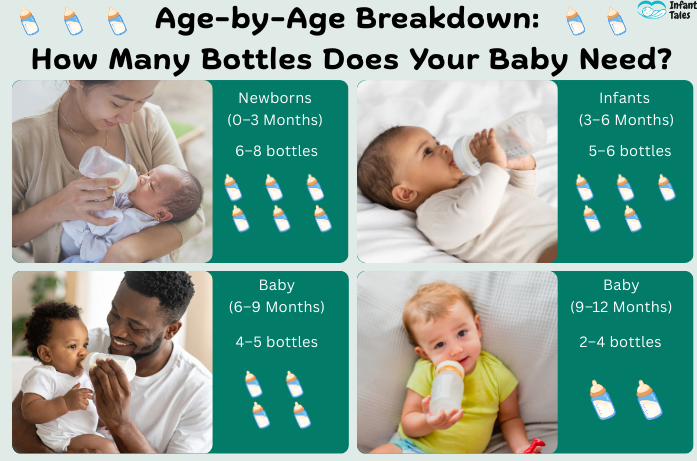
Newborns (0–3 Months)
Newborn feeding is frequent, unpredictable, and often exhausting. Babies at this stage usually feed eight to twelve times daily, and that’s why many parents specifically ask how many bottles does a newborn need.
Formula-fed newborns generally need 6–8 bottles, especially in the 2–4 oz size. Because their stomachs are tiny, they drink small amounts at each feed, and having more bottles reduces the pressure of washing bottles around the clock.
Breastfeeding newborns need fewer bottles, typically 2–4, as direct nursing covers most feeds. Still, having a few bottles ready is helpful for pumped milk, emergencies, or giving mom a much-needed break.
Exclusive pumpers fall between 4–6 bottles, depending on how often they pump and store milk. Combo-feeding newborns typically need 5–7 bottles, since feeding patterns vary throughout the day.
Infants (3–6 Months)
Once your baby hits the three-month mark, they usually start drinking more per feed but nursing or bottle-feeding less often. This is when parents switch to 8–9 oz bottles.
Formula-fed babies often need 5–6 bottles, while breastfed babies still manage well with 2–4 bottles. Pumping moms usually maintain 4–6 bottles, especially if they prepare milk ahead of time for babysitters or naps. This stage is also when many babies begin sleeping longer stretches, making the newborn bottle feeding schedule much easier to handle.
Older Infants (6–9 Months)
With the introduction of solid foods, babies rely a bit less on milk and may reduce bottle usage. Formula-fed babies now need around 4–5 bottles, breastfed babies typically need 2–4, and pumping moms often manage with 3–5.
Parents returning to work often need bottles specifically for daycare at this stage. Most daycares request three to five labeled bottles, plus an extra nipple or empty bottle as backup. This is also why families with babies attending daycare usually buy additional bottles to avoid early morning rush and unnecessary washing.
Late Infancy (9–12 Months)
By nine months, babies start preparing to transition from bottles to cups. Milk intake is still important, but the number of bottles needed generally decreases. Formula-fed babies often need 2–4 bottles, while breastfed babies require 2–3. Pumping moms remain around 2–4 bottles, mostly depending on their work routine.
Pediatric experts, including the American Academy of Pediatrics recommend encouraging cup use sometime between nine and twelve months. This helps prevent tooth decay, improves oral development, and slowly reduces dependency on bottles.
Breastfeeding vs Formula Feeding: Why Bottle Counts Differ
Formula-fed babies rely entirely on bottles, which is why parents often need more bottles for this feeding method. On the other hand, breastfed babies who nurse directly may only require bottles occasionally. Understanding your feeding method helps you confidently determine how many baby bottles you should buy before your baby arrives.
Pumping parents, whether exclusive or occasional, often require additional bottles because milk has to be collected, stored, and fed separately. Organizing pumping routines becomes easier with multiple bottles available.
Bottle Sizes and Flow: What to Choose at Each Stage
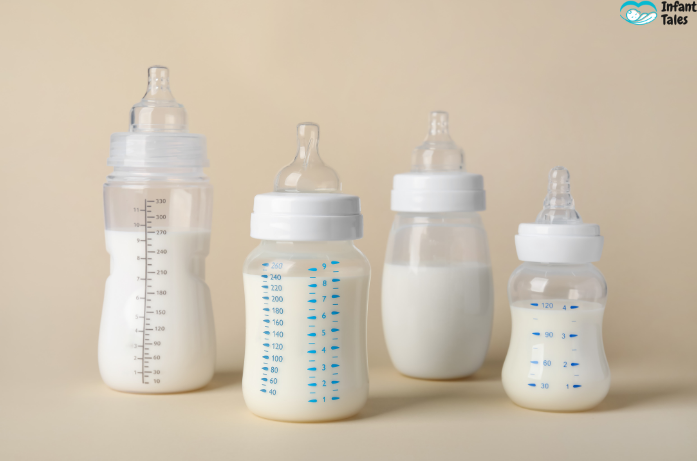
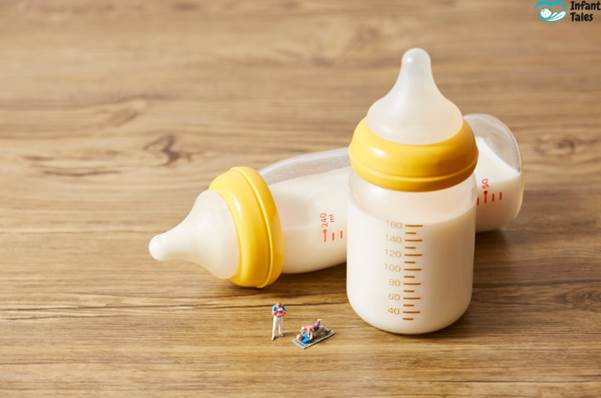
During the newborn stage, bottles between 2–4 oz are ideal. As your baby grows and starts consuming more per feed, switching to 8–9 oz bottles makes feeding more convenient.
Nipple flow matters as much as bottle size. Premature or newborn babies need slow-flow nipples. Faster flows introduced too early can cause gagging or overfeeding, disrupting a healthy newborn bottle feeding schedule.
Bottles for Daycare and Travel
If your baby attends daycare, you’ll need enough bottles for all scheduled feeds. Most facilities require pre-filled, clearly labeled bottles. Packing three to five bottles daily ensures your baby is fed during their time away from home.
Traveling with a baby requires planning too. Keeping one or two extra bottles in your diaper bag helps you stay prepared for longer outings or unexpected delays.
How Many Bottles Do Pumping Moms Need?
For exclusive pumpers, having enough bottles available is essential. Pumping multiple times daily means you’ll need 4–6 bottles to rotate between milk collection and feeding. Occasional pumpers can manage with 2–4 bottles, especially if they only pump for outings or occasional breaks.
Replacing Bottles and Nipples: Safety First
Baby bottles usually last a long time if maintained properly, but nipples must be replaced more frequently, about every one to two months. Signs like cracking, thinning, discoloration, or fast milk flow indicate it’s time for a new nipple. The CDC also advises checking bottles for damage, warping, or stubborn residue, all of which can make feeding unsafe.
Cleaning and Sterilizing Bottles Safely
Before first use, bottles should always be sterilized. For newborns, washing with warm, soapy water after each feed and sterilizing daily is recommended. As your baby grows, sterilizing becomes less frequent but still important. A clean feeding routine helps maintain a predictable and safe feeding schedule, especially for young babies who are more sensitive to bacteria.
When Should Babies Stop Using Bottles?
Most babies transition away from bottles between twelve and eighteen months. Offering water or milk in a cup once or twice a day helps your child learn to sip and gradually reduces dependence on bottles. Following pediatric guidance ensures a smoother switch and promotes better dental and developmental health.
Final Thoughts
Feeding your baby should never feel overwhelming, and the question How Many Baby Bottles Do I Need doesn’t have one perfect answer. Instead, it depends on your baby’s feeding style, your daily routine, how often you prefer washing bottles, and whether your baby attends daycare. Whether you are preparing for your newborn bottle feeding schedule or packing bottles for daycare, having the right number helps your days feel calmer and more organized.
Every family finds their rhythm. The right bottles, and the right amount, simply make the journey easier.
FAQs
1. How many baby bottles do I need for a newborn?
Most newborns need 6–8 bottles if formula-fed and 2–4 bottles if breastfed with occasional pumping.
2. How many bottles should I buy before birth?
Starting with 4–6 bottles is usually enough until you learn your baby’s bottle preference.
3. How many bottles for formula feeding per day?
Formula-fed babies typically use 6–8 bottles a day, depending on their feeding schedule.
4. How many bottles do breastfeeding moms need?
Breastfeeding moms often need 2–4 bottles, while exclusive pumpers may need 4–6 bottles.
5. How many bottles do I need for daycare?
Most daycares require 3–5 pre-filled, labeled bottles each day.
Want more helpful tips for newborn care and feeding? Keep reading guides on Infant Tales to feel confident and supported every step of the way.
Disclaimer: This article is for informational purposes only and is not a substitute for medical advice. Always consult your pediatrician or healthcare provider for guidance about your baby’s feeding needs.