Written with love by a caring mom at Infant Tales
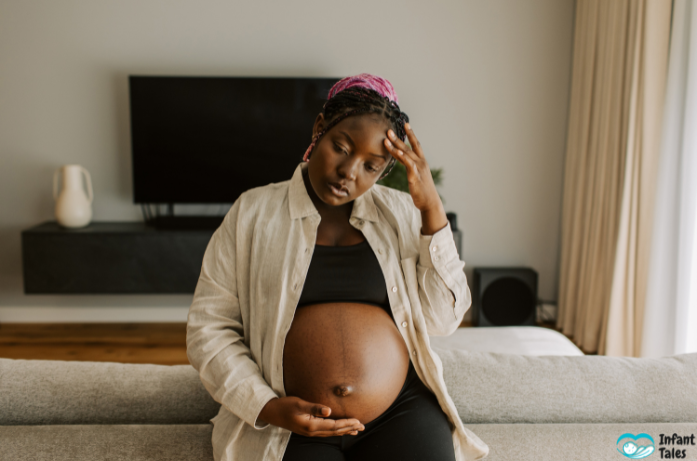
The third trimester feels exciting because you are finally getting closer to meeting your baby. But for many moms, it can also feel physically exhausting and emotionally overwhelming. Just when you think pregnancy sickness is finally over, nausea, tiredness, headaches, heartburn, or flu-like symptoms may suddenly return again.
If you are experiencing being sick in third trimester of pregnancy, please know you are not alone. Late pregnancy puts a lot of pressure on the body as your baby grows rapidly and your hormones continue changing. The good news is that most cases of third trimester sickness are temporary and can often be managed with rest, hydration, and gentle care.
Why Do Moms Feel Sick During Late Pregnancy?
By the third trimester, your body is carrying extra weight, using more energy, and preparing for labor at the same time. That alone can make everyday activities feel tiring.
Many moms experience:
- Nausea
- Acid reflux
- Body pain
- Headaches
- Congestion
- Poor sleep
- Extreme fatigue
- Digestive discomfort
- Leg muscle cramps during pregnancy can also become more common as your baby grows.
Sometimes these symptoms are simply normal pregnancy changes. Other times, they may be related to infections, dehydration, stress, or physical exhaustion.
One important thing to remember is that every pregnancy is different. Some women feel wonderful until delivery, while others struggle with feeling sick during late pregnancy almost daily.
Common Causes of Being Sick in Third Trimester of Pregnancy
According to the Mayo Clinic, hormonal and physical changes during late pregnancy can cause nausea, fatigue, and digestive discomfort.
1. Hormonal Changes Return Again
Many moms are surprised when nausea and tiredness return during the final months of pregnancy. Hormones continue changing throughout the third trimester, and these shifts can affect digestion, appetite, mood, and energy levels.
Because of these hormonal changes, some women experience mild nausea, dizziness, headaches, fatigue, or emotional ups and downs. Sometimes your body may simply feel uncomfortable or “off” without any major illness.
2. Baby Pressure on the Stomach
As your baby grows bigger, the uterus puts more pressure on your stomach and nearby organs. This pressure can make digestion feel slower and more uncomfortable, especially after meals.
Many moms notice heartburn, acid reflux, stomach discomfort, or nausea after eating. Symptoms often become worse at night when lying down or after larger meals.
3. Slower Digestion
Pregnancy hormones naturally slow digestion, and this becomes more noticeable during the third trimester. Food may stay in the stomach longer, causing digestive discomfort.
This can lead to bloating, constipation, gas, upset stomach, or loss of appetite. Slower digestion is also one common reason for nausea in third trimester pregnancy.
4. Pregnancy Flu or Viral Illness
Pregnancy can make moms more sensitive to seasonal illnesses like colds or flu. Even mild infections may feel stronger because your body is already working harder during late pregnancy.
Some common pregnancy flu symptoms third trimester include fever, congestion, cough, chills, body aches, weakness, and sore throat. Extra rest, fluids, and proper care become very important during this time.
5. Lack of Sleep and Physical Exhaustion
Sleep often becomes difficult during late pregnancy because of back pain, frequent bathroom trips, baby movements, and trouble finding a comfortable sleeping position.
When the body does not get enough rest, moms may feel nauseous, dizzy, emotional, weak, or physically drained. Sometimes your body simply needs more sleep and gentle care than usual.
Is Nausea Normal in the Third Trimester?
Yes, mild nausea in third trimester can be completely normal for many pregnant women.
Unlike early pregnancy morning sickness, late pregnancy nausea is often connected to:
- Heartburn
- Baby pressure
- Hormonal changes
- Tiredness
- Digestive slowing
Some moms only feel nauseous after meals, while others notice it more at night.
However, severe vomiting, dehydration, or sudden worsening symptoms should always be discussed with your doctor.
Symptoms That Often Happen With Third Trimester Sickness
Every mom experiences pregnancy differently, but these symptoms are common during late pregnancy sickness:
- Upset stomach
- Mild vomiting
- Body aches
- Headaches
- Chills
- Fatigue
- Dizziness
- Congestion
- Heartburn
- Poor appetite
- Weakness
- Trouble sleeping
Some symptoms come and go throughout the day depending on activity, stress, hydration, and meals.

Safe Ways to Feel Better During Third Trimester Sickness
1. Drink Fluids Slowly Throughout the Day
Dehydration can quickly worsen nausea, dizziness, headaches, and fatigue during pregnancy.
Instead of drinking large amounts at once, try:
- Small sips of water
- Coconut water
- Lemon water
- Warm soups
- Ice chips if nausea feels strong
Keeping your body hydrated often helps more than moms realize.
2. Eat Small, Frequent Meals
Large meals can increase reflux and stomach discomfort.
Gentle foods usually feel easier, such as:
- Toast
- Rice
- Bananas
- Applesauce
- Crackers
- Oatmeal
- Yogurt
Even small snacks every few hours can help stabilize energy and reduce nausea.
3. Rest More Than You Think You Need
Many moms feel guilty for slowing down in late pregnancy. But growing a baby takes enormous physical energy.
Rest helps reduce:
- Body aches
- Stress
- Nausea
- Headaches
- Exhaustion
Some days your body truly needs extra sleep and quiet time.
4. Sleep Slightly Elevated
If heartburn is making you feel sick, try sleeping with your head and upper body slightly raised.
Many moms find relief using:
- Extra pillows
- Pregnancy pillows
- Left-side sleeping positions
This may help reduce acid reflux during the night.
5. Avoid Strong Smells
Pregnancy can make your senses extremely sensitive. Certain smells may trigger nausea instantly.
Try to avoid:
- Strong perfumes
- Greasy foods
- Smoke
- Heavy cooking smells
Fresh air and open windows often help surprisingly well.
6. Ask for Help Without Guilt
Late pregnancy is not the time to push yourself beyond exhaustion.
Let family or loved ones help with:
- Cooking
- Cleaning
- Shopping
- Childcare
- Daily chores
Protecting your energy matters right now. The American Pregnancy Association explains that getting sick during pregnancy may feel more intense because the immune system changes while supporting the baby.
When Should You Call Your Doctor?
Most cases of being sick in third trimester of pregnancy are harmless, but some symptoms should never be ignored.
Call your healthcare provider if you have:
- High fever
- Severe vomiting
- Difficulty breathing
- Severe swelling
- Blurred vision
- Persistent severe headache
- Decreased baby movement
- Chest pain
- Strong abdominal pain
- Signs of dehydration
Trust your instincts. Moms often sense when something feels unusual.
Can Feeling Sick Be a Sign of Labor?
Yes, sometimes feeling sick during late pregnancy can actually be an early sign that labor is approaching. As the body starts preparing for birth, some moms notice symptoms like nausea, loose stools, lower back pain, cramping, pelvic pressure, or flu-like feelings.
These changes do not always mean labor is starting immediately, but they can happen as your body gets ready for delivery. If these symptoms occur along with regular contractions, leaking fluid, or reduced baby movement, contact your doctor or maternity provider right away.
Emotional Stress Also Affects the Body
Pregnancy emotions become very intense near the end. Worry about labor, parenting, finances, or sleep can sometimes create physical symptoms too.
Stress may contribute to:
- Upset stomach
- Headaches
- Appetite changes
- Poor sleep
- Fatigue
Please remember: You do not have to handle everything perfectly.
Sometimes emotional support is just as important as physical rest.

Gentle Comfort Tips Many Moms Love
Small comforts often make difficult pregnancy days feel more manageable.
Try:
- Warm showers
- Comfortable loose clothes
- Quiet rest time
- Soft music
- Light stretching
- Calm evening routines
- Keeping snacks beside the bed
Tiny acts of care truly matter during this season. Research published on PubMed shows that nausea and digestive symptoms can continue during later stages of pregnancy for some women.
Final Thoughts
If you are dealing with third trimester sickness, please remember that you are not weak and you are definitely not alone. Late pregnancy can feel physically exhausting and emotionally heavy as your body works hard to prepare for your baby’s arrival. Some days may feel overwhelming, and that is completely okay.
Be gentle with yourself during this season. Rest whenever you can, stay hydrated, ask for support, and trust your instincts. Very soon, these difficult days will become part of the beautiful story of bringing your little one safely into the world.
Follow Infant Tales for more pregnancy and parenting support for moms.
FAQs About Being Sick in Third Trimester of Pregnancy
1. Is it normal to feel sick in the third trimester?
Yes, many moms experience nausea, fatigue, heartburn, or flu-like symptoms during late pregnancy due to hormonal changes, digestion issues, and physical exhaustion.
2. Why am I nauseous again in late pregnancy?
Late pregnancy nausea often happens because the growing baby puts pressure on the stomach, causing reflux and slower digestion.
3. Can flu symptoms affect pregnancy in the third trimester?
Mild flu symptoms can happen during pregnancy, but high fever, breathing problems, or severe illness should always be checked by a doctor.
4. When should I worry about sickness during pregnancy?
You should contact your doctor if you have severe vomiting, dehydration, high fever, chest pain, reduced baby movement, or severe headaches.
5. Does feeling sick mean labor is close?
Sometimes nausea, cramps, loose stools, and flu-like symptoms can happen before labor begins, but not always. Regular contractions are a stronger sign labor may be starting.
Disclaimer: This article is for informational purposes only and is not a substitute for medical advice, diagnosis, or treatment. Always contact your doctor or healthcare provider if you have concerns about your pregnancy or symptoms.