Authored by: A Caring Mom at Infant Tales
Balancing work and family is one of the most challenging yet essential skills for modern-day parents. As families grow, the responsibilities of managing household duties, taking care of children, and excelling in your career can often feel overwhelming. However, finding the right balance between work and family life is not only possible but also critical to your well-being and happiness.
In this article, we will explore how to balance work and family, providing you with practical and actionable work-life balance tips that will help you manage your responsibilities, reduce stress, and create a more fulfilling life. Whether you’re working from home, managing a full-time job, or running a business while raising children, these strategies will guide you in creating a healthy work and family life balance.
1. Set Clear Boundaries Between Work and Family
When trying to figure out how to balance work and family life, one of the most crucial steps is establishing clear boundaries. Without boundaries, it can become nearly impossible to focus on either work or family without feeling like you’re dropping the ball on both. Guidance from ICAI also emphasizes how setting professional and personal boundaries is key to managing work-life harmony.
- Create a dedicated workspace: If you work from home, designate a space where you can focus entirely on work-related tasks. This will help you mentally separate work from home life.
- Set working hours: Stick to a schedule. Set start and end times for your workday and avoid checking emails or answering calls once you’ve logged off. This helps you avoid burnout and be more present during family time.
- Communicate boundaries: Be upfront with both your family and colleagues about your work hours. This way, everyone knows when you are available and when you need focused, uninterrupted work time.
By setting these boundaries, you’ll have a much easier time transitioning between your professional and personal roles.
2. Prioritize Your Tasks to Manage Time Effectively
Another effective way to balance work life and family is by prioritizing tasks. When juggling both responsibilities, it’s easy to feel overwhelmed by all the things you “should” be doing. However, knowing what needs to be done now and what can wait will help you stay focused and organized. According to NIH’s Office of Research Services, effective time management strategies play a significant role in achieving work-
- Create a to-do list: Write down everything you need to accomplish for both work and family. From professional deadlines to household chores, having everything on paper or in a digital app helps you see your day at a glance.
- Prioritize daily tasks: Use the Eisenhower Matrix (urgent vs. important) or a simple ranking system to identify which tasks require your immediate attention and which can be delegated or postponed.
- Don’t be afraid to say no: As you learn how to balance family and work life, remember that it’s okay to decline additional work commitments or social obligations if they interfere with your priorities.
Taking control of your schedule will help you feel less stressed and more in control of both your work and home life.
3. Embrace Flexibility in Your Work Schedule
In today’s world, there are more flexible work options than ever before. Whether you’re working remotely, managing flexible hours, or practicing job-sharing, taking advantage of flexible working options can help you find a balance between work and family life.
- Talk to your employer: If you don’t already have flexible hours or remote work options, discuss the possibility with your boss or HR. Many companies are now more accommodating of work-life balance.
- Work during downtime: If you have children, use nap times or quiet playtime as an opportunity to catch up on work tasks. This allows you to dedicate other parts of the day to family activities.
- Job-sharing: If you feel overwhelmed by a full-time schedule, consider asking your employer about job-sharing opportunities or part-time work.
Flexibility allows you to manage your responsibilities more effectively without sacrificing your family life or professional growth.
4. Build a Strong Support System
How to manage work and family stress is a question that many parents face. One of the best ways to reduce the pressure is to build a reliable support system. Having a network of people you can lean on during challenging times helps you feel supported and less isolated.
- Lean on family and friends: Don’t hesitate to ask for help from trusted family members or friends for things like childcare, errands, or emotional support.
- Find reliable childcare: Whether it’s a trusted babysitter, a daycare facility, or a family member, having a dependable childcare arrangement allows you to focus on work without constantly worrying about your child.
- Join a parent community: Many online parenting groups can provide both emotional support and practical advice. These communities can help you connect with other parents who are navigating similar challenges.
A strong support system not only alleviates stress but also helps you feel more balanced, knowing you have people you can rely on.
5. Make Self-Care a Priority
Parents often put their own needs last, but in order to juggle work and family responsibilities successfully, you need to take care of yourself first. When you feel mentally and physically healthy, you are better equipped to care for your family and excel at your work.
- Schedule “me time”: Whether it’s a quiet coffee break, a walk outside, or a yoga session, make time for activities that help you recharge.
- Rest and sleep: Never underestimate the power of a good night’s sleep. Take naps when possible, and prioritize your sleep schedule to stay energized and focused.
- Exercise: Regular physical activity boosts your mood and energy levels. Even a short walk or a quick workout can improve your overall well-being.
Self-care is essential in maintaining a work-life balance for parents, and it allows you to perform better in both your professional and personal life.
6. Stay Organized and Plan Ahead
Organization plays a key role in finding balance between work and family. Planning your day and week ahead ensures that you stay on top of tasks and avoid unnecessary stress.
- Use a family calendar: Have one place where all family activities and appointments are listed. This helps you manage both your professional commitments and family events without overlap.
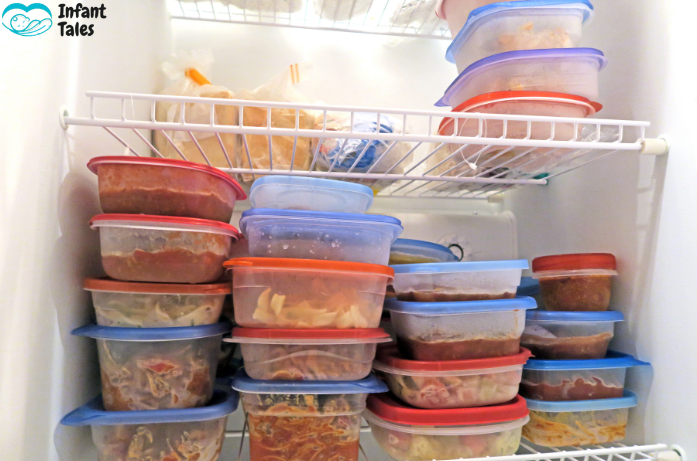
- Meal prep and grocery shopping: Plan your meals for the week and prepare them in advance. This can save you time during busy workdays and ensure that you have nutritious meals available for your family.
- Prepare the night before: Organize everything you need for the next day clothes, lunchboxes, work materials so mornings run smoothly.
By staying organized and planning ahead, you can reduce stress and find more time for the things that matter most.
7. Find Joy in Family Time
When it comes to work-life balance for parents, the time spent with your family is priceless. Finding joy in the small moments with your children can help you recharge and foster stronger relationships while encouraging early learning through simple preschool learning activities.
- Create quality family moments: Whether it’s a weekend outing, a family game night, or a simple walk in the park, make the most of the time you have together.
- Unplug during family time: Turn off devices and avoid checking work emails during family activities. Being present is key to strengthening your family bond.
- Focus on connection: Use family time to communicate with your children, listen to their thoughts, and be emotionally available.
By prioritizing family time and staying present, you can create a healthy balance that nurtures both your work and home life, making it easier to support a fussy child with patience and understanding.
FAQs on How to Balance Work and Family Life
Q. 1 How can I manage both work and family time effectively?
To manage both, set clear boundaries between work and home life, prioritize tasks, and create a realistic schedule that includes time for both your family and work responsibilities.
Q. 2 How can flexible work arrangements help me balance family and work?
Flexible work hours or remote work options allow you to adjust your schedule, making it easier to manage family commitments while fulfilling professional duties.
Q. 3 How do I avoid burnout while balancing work and family?
Avoid burnout by scheduling regular breaks, practicing self-care, and ensuring you have time to relax and recharge, both alone and with your family.
Q. 4 What role does a support system play in work-life balance?
A reliable support system of family, friends, or childcare providers can ease the workload, giving you more time to focus on both work and family.
Q. 5 How can I ensure quality family time while managing work?
Plan activities in advance, unplug from work during family time, and focus on building meaningful connections, even in short bursts of time.
Conclusion
Finding how to balance work and family is a journey, and it may not always be perfect. However, by implementing the strategies above, you can create a manageable and fulfilling life that supports both your career and your family. Remember, it’s important to be flexible, prioritize self-care, and lean on your support system when needed. Achieving balance is not about perfection but finding what works best for you and your family.
At Infant Tales, we are here to help guide you through the ups and downs of parenting. Our resources are designed to support you as you navigate the wonderful, challenging journey of raising a family while balancing work and life responsibilities.