Authored by: A Caring Mom at Infant Tales
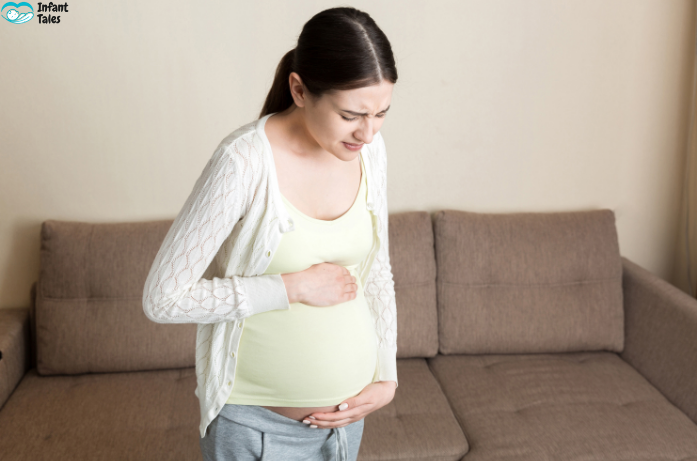
Pregnancy brings about changes in your body that no book can fully prepare you for. One night you sleep soundly, and the next night you wake up at 2 a.m., tossing and turning because the pain in your hips won’t stop. Hip pain When sleeping during pregnancy is one of those issues that catches many mothers by surprise. It’s not always discussed at the beginning, yet as the pregnancy progresses, it becomes a daily struggle for countless women.
If you’re going through this, take a deep breath; you’re not doing anything wrong. This type of pain is very common, usually temporary, and most importantly, manageable. Understanding what’s happening inside your body and learning some practical adjustments can help you rest better and feel more supported during this special (and sometimes uncomfortable) phase of life.
This guide is written to gently inform and reassure new parents and caregivers, with real-life explanations and practical tips that actually help.
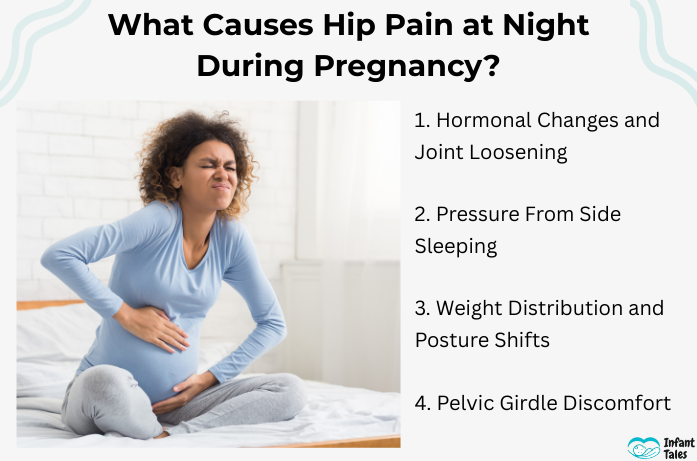
What Causes Hip Pain at Night During Pregnancy?
Hip discomfort during pregnancy is rarely caused by just one thing. Instead, it’s usually the result of several changes happening at the same time. According to pregnancy health information shared by American Pregnancy Association, hip pain is a common complaint as the body adapts to pregnancy-related changes.
Hormonal Changes and Joint Loosening
One of the biggest contributors to hip pain pregnancy sleeping is a hormone called relaxin. Similar hormonal changes can also contribute to leg cramps during pregnancy. Your body releases relaxin to loosen the ligaments around your pelvis so it can prepare for childbirth. While this is essential, it also makes the hip joints less stable. When you lie still for long hours, that reduced stability can turn into aching or stiffness.
Pressure From Side Sleeping
As your belly grows, back sleeping often becomes uncomfortable or discouraged. Side sleeping becomes the default position, but staying on one side all night places continuous pressure on the lower hip. This pressure is a common reason for hip pain during pregnancy sleeping, especially in the second and third trimesters.
Weight Distribution and Posture Shifts
Your center of gravity changes as your baby grows. The extra weight in the front of your body pulls on your lower back and hips, which can strain muscles and joints. At night, when muscles relax, this strain can show up as pain.
Pelvic Girdle Discomfort
Some women experience pelvic joint sensitivity that spreads into the hips and thighs. This discomfort often feels worse when lying down or turning in bed and is closely connected to pregnancy hip pain sleeping issues.
Hip Pain When Sleeping During Pregnancy: Why Nighttime Makes It Worse
You may notice your hips feel manageable during the day but suddenly throb at night. This happens because:
- Your body stays in one position longer
- Muscles cool down and stiffen
- Joint support is reduced while resting
- Pressure builds on one hip at a time
These factors together explain why hip pain sleeping pregnancy often feels more intense after bedtime, a pattern also described in clinical pregnancy sleep guidance from University of Utah Health.
Why Side Sleeping Triggers Hip Discomfort
Side sleeping is often encouraged during pregnancy, especially later on, but it does come with challenges.
Pressure on One Hip: When you lie on your side, all your body weight rests on one hip. Over time, this pressure can irritate the joint and surrounding tissues, leading to hip pain sleeping on side pregnancy.
Hip Misalignment: Without proper support, the top leg can pull the hip out of alignment. This twisting motion is a major cause of side sleeping hip pain pregnancy, especially if you wake up sore in the same spot every morning.
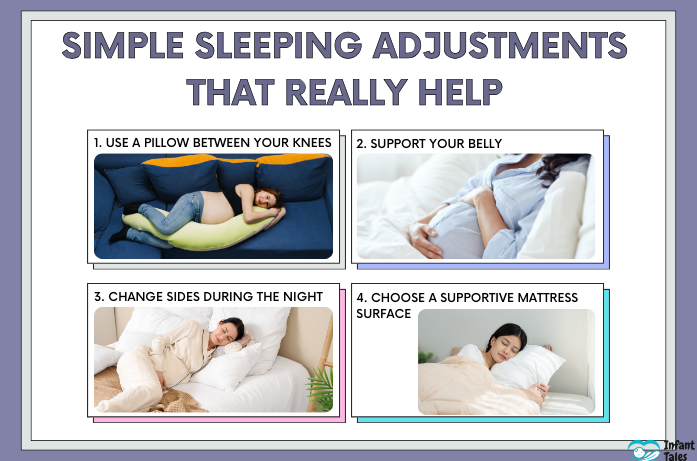
Simple Sleeping Adjustments That Really Help
You don’t need complicated routines or special equipment to feel better. Small changes often bring the most relief.
1. Use a Pillow Between Your Knees
Placing a pillow between your knees keeps your hips aligned and reduces strain on the lower hip. This is one of the easiest and most effective ways to reduce nighttime discomfort.
2. Support Your Belly
A small pillow under your belly can prevent your abdomen from pulling forward, which eases pressure on your hips and lower back.
3. Change Sides During the Night
If you wake up sore, slowly switch sides. Even short position changes can relieve pressure and improve comfort.
4. Choose a Supportive Mattress Surface
If your mattress feels too firm, adding a soft topper can help cushion pressure points. If it’s too soft, extra pillow support may help stabilize your hips.
Daytime Habits That Reduce Night Hip Pain
What you do during the day affects how you feel at night more than you might think.
- Avoid standing on one leg for long periods
- Sit with both feet supported
- Wear stable, supportive footwear
- Avoid sudden twisting movements
- Take gentle walks to keep joints mobile
These habits help reduce overall joint stress and make it easier for your hips to relax at bedtime.
Gentle Movement and Stretching
Light stretching can help loosen tight muscles before sleep. Focus on slow, controlled movements that feel comfortable. Prenatal-friendly exercises that target the hips and lower back often reduce stiffness and improve circulation.
According to guidance from American College of Obstetricians and Gynecologists, regular gentle movement during pregnancy supports joint health and can reduce musculoskeletal discomfort. Similarly, information shared by National Institutes of Health explains that pregnancy-related joint pain is usually linked to normal physical changes and improves with supportive care.
Emotional Impact of Poor Sleep
Hip pain doesn’t just affect your body, it affects your mood, patience, and energy. Broken sleep can leave you feeling overwhelmed or discouraged, especially when you’re already adjusting to so many changes.
If you find yourself frustrated or tearful after another restless night, know that this reaction is completely normal. Rest is essential during pregnancy, and struggling to get comfortable can be emotionally draining. Be kind to yourself and ask for help when needed.
When Should You Talk to Your Doctor?
While most hip pain during pregnancy is normal, you should reach out to your healthcare provider if:
- Pain becomes severe or constant
- You have difficulty walking or standing
- Pain spreads to the groin or lower back intensely
- You notice numbness, tingling, or sharp shooting pain
Getting reassurance or guidance can make a big difference in your comfort and peace of mind.
Will Hip Pain Go Away After Pregnancy?
In most cases, yes. After delivery, hormone levels gradually return to normal, and joint stability improves. Many women notice significant relief within weeks or months postpartum. Gentle movement and proper rest support this recovery.
If pain continues after childbirth, a healthcare provider may recommend targeted exercises or physical therapy to restore strength and alignment.
Frequently Asked Questions
1. Is hip pain at night normal during pregnancy?
Yes, it’s very common. Hormonal changes, weight shifts, and sleeping positions all contribute to nighttime hip discomfort.
2. Does side sleeping always cause hip pain?
Not always, but without proper support, side sleeping can increase pressure on the hips and lead to soreness.
3. Can pillows really make a difference?
Absolutely. Proper pillow placement can significantly reduce strain on the hips and improve sleep quality.
4. Is hip pain a sign of labor?
Hip pain alone is not usually a sign of labor. However, sudden or severe pain should always be discussed with your healthcare provider.
Final Thoughts from Infant Tales
Hip pain during pregnancy is a common experience caused by natural body changes such as hormonal shifts, growing weight, and altered sleep positions. While it can feel uncomfortable and disruptive, it usually means your body is adjusting to support your baby’s development, and in most cases, the discomfort improves with simple, supportive care.
Making small changes, like improving sleep posture, using proper support, and staying gently active, can greatly reduce pain over time. Most importantly, listen to your body and seek medical guidance if pain feels severe or persistent. With patience and the right support, better rest and comfort are absolutely possible.
At Infant Tales, our goal is to guide and support new parents and caregivers with honest, comforting information, without fear, pressure, or unnecessary promotion. Every pregnancy is unique, and listening to your body is always the best place to start as you navigate the different stages of pregnancy.
Medical Disclaimer: This article is for informational purposes only and does not replace professional medical advice. Always consult your healthcare provider regarding pain, sleep concerns, or pregnancy-related symptoms.