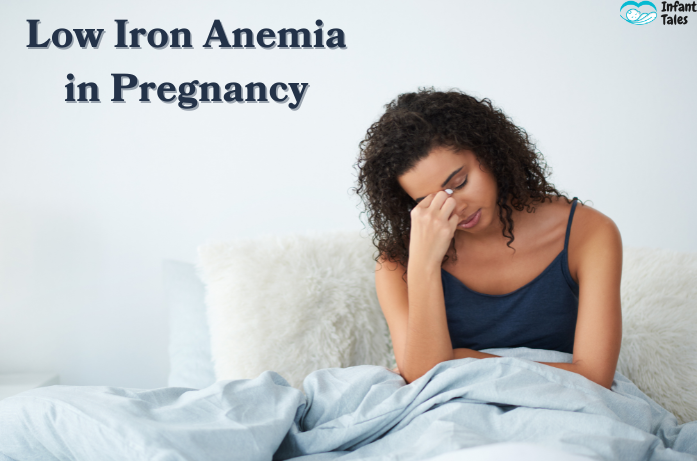
Pregnancy is a time of growth, change, and learning, about your baby and about your own body. One concern that often comes up during prenatal visits is low iron anemia in pregnancy, a condition that can sound alarming when first mentioned. Many expecting mothers feel anxious after hearing the word “anemia,” especially if they already feel tired or overwhelmed. The reassuring truth is that this condition is very common, well understood, and usually manageable with proper care.
At Infant Pamper, we aim to guide new parents and caregivers with gentle, trustworthy information. This article is written to help you understand anemia in pregnancy clearly, what it is, why it happens, how it may affect you and your baby, and what steps can support a healthy pregnancy journey.
Understanding Low Iron Anemia in Pregnancy
Low iron anemia in pregnancy develops when a pregnant woman does not have enough iron to produce sufficient hemoglobin. Hemoglobin is the protein in red blood cells that carries oxygen from the lungs to tissues throughout the body, including the placenta and the growing baby.
During pregnancy, blood volume increases significantly. This natural change supports fetal development but also increases the body’s demand for iron. If iron intake or absorption does not keep up with this demand, anemia can occur. This does not mean your body is failing, it means it needs extra nutritional support during an intense period of growth.
Medical guidance from the Mayo Clinic explains that this increased blood volume is one of the main reasons anemia is so common during pregnancy:
Why Iron Is So Important During Pregnancy
Iron supports several essential functions:
- Oxygen delivery to maternal organs and the fetus
- Healthy brain and organ development in the baby
- Energy levels and immune function in the mother
- Preparation for blood loss during childbirth
According to the World Health Organization, iron deficiency anemia is one of the most significant nutritional disorders affecting pregnant women worldwide, making adequate iron intake a global public health priority:
Is Anemia Common in Pregnancy?
Many parents wonder whether they are alone in facing this issue. The simple answer to is anemia common in pregnancy is yes. Globally, iron deficiency is one of the most frequent nutritional challenges during pregnancy, particularly in the second and third trimesters.
Health organizations such as the World Health Organization recognize anemia as a widespread concern among pregnant women, which is why routine blood testing is a standard part of prenatal care. Knowing how common it is often helps parents feel less worried and more empowered to manage it.
Public health data from the CDC shows that anemia affects a significant percentage of pregnant women and highlights the importance of routine screening and early intervention:
Anemia Pregnancy Causes
There is no single reason anemia develops; rather, several factors can contribute. Understanding anemia pregnancy causes can help remove unnecessary self-blame.
Common contributing factors include:
- Increased iron needs due to expanding blood volume
- Not consuming enough iron-rich foods
- Reduced iron absorption caused by digestive changes
- Morning sickness that limits balanced meals
- Closely spaced pregnancies that don’t allow iron stores to recover
- Entering pregnancy with low iron levels
Clinical research confirms that anemia often develops gradually and may go unnoticed without blood testing:
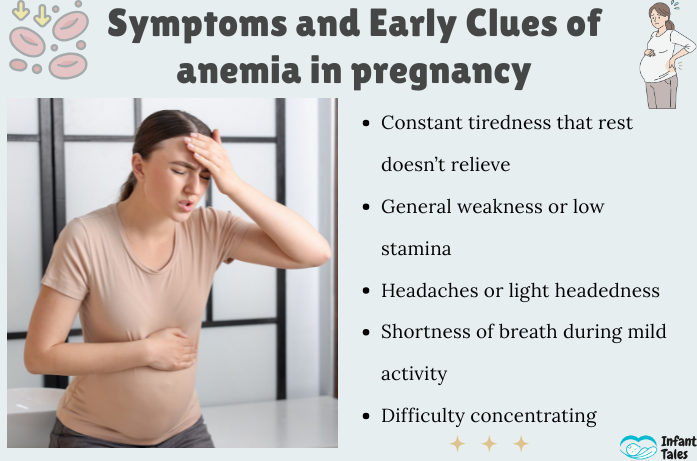
Symptoms and Early Clues of anemia in pregnancy
The body often gives subtle signals when iron levels drop. The symptoms of anemia in pregnancy may appear slowly and are sometimes mistaken for normal pregnancy discomforts such as leg cramps.
These can include:
- Constant tiredness that rest doesn’t relieve
- General weakness or low stamina
- Headaches or light headedness
- Shortness of breath during mild activity
- Difficulty concentrating
Because these sensations overlap with normal pregnancy changes, blood tests are the most reliable way to confirm anemia.
Physical Signs That May Appear
Along with internal sensations, there may be visible or measurable changes. Healthcare resources like Cleveland Clinic emphasize that persistent physical signs such as ongoing dizziness, paleness, shortness of breath, or a racing heartbeat should never be ignored during pregnancy.
These symptoms may indicate that iron levels are continuing to drop or that anemia is becoming more severe. Discussing them early with a healthcare provider allows for timely blood testing, adjustment of iron intake, and prevention of potential complications for both mother and baby.
Risk of Anemia in Pregnancy
Every pregnancy is unique, but certain factors can increase the risk of anemia in pregnancy. Women who may be at higher risk include those carrying multiples, teenagers, mothers with limited access to balanced nutrition, and those with closely spaced pregnancies.
When anemia is not treated, it may raise the chance of complications such as increased fatigue, infections, or difficulty coping with blood loss during delivery. Early detection significantly lowers these risks.
Effects on the Baby
Iron plays a crucial role in fetal growth, particularly in brain development. When maternal iron levels are very low, babies may be born with reduced iron stores. In severe cases, anemia has been linked with low birth weight or preterm birth. The good news is that timely treatment greatly reduces these outcomes, which is why prenatal care matters so much.
Diagnosis and Monitoring
Most cases of anemia are detected through routine prenatal blood tests that measure hemoglobin and sometimes ferritin levels. These tests are usually done early in pregnancy and repeated later to ensure iron levels remain adequate as demands increase.
Monitoring allows doctors to adjust care before anemia becomes severe.
Treatment Options and Medical Support
For many women, dietary changes alone are not enough, especially later in pregnancy. This is where iron supplements for anemia pregnancy may be recommended by a healthcare provider. Supplements help restore iron levels efficiently and support healthy red blood cell production.
Helpful tips include:
- Taking iron with water or citrus juice to improve absorption
- Avoiding tea, coffee, or calcium-rich foods near supplement time
- Discussing side effects like constipation or nausea with a provider, as adjustments can help
Never start or stop supplements without medical guidance.
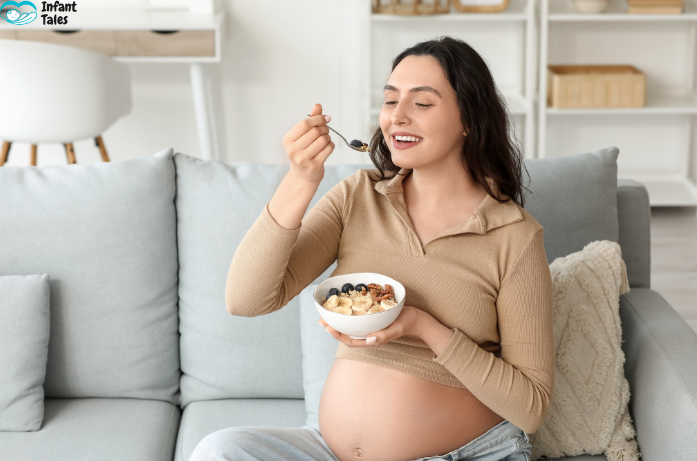
Nourishing Your Body With the Right Foods
Diet plays a key role in both preventing and improving anemia during pregnancy by helping maintain steady iron levels in a natural way. Including foods rich in iron for anemia during pregnancy supports healthy red blood cell production and provides lasting energy for the mother while also meeting the growing baby’s needs.
Iron can come from both animal and plant sources. Lean meats and poultry provide iron that is easily absorbed by the body, while legumes, leafy green vegetables, fortified grains, and dried fruits offer valuable plant-based options.
To improve absorption, it is helpful to pair iron-rich foods with vitamin C sources such as citrus fruits, tomatoes, or bell peppers. Making these nourishing foods a regular part of daily meals, even in small amounts, can create a steady improvement in iron levels over time and support overall pregnancy health.
Supporting Absorption Through Daily Habits
Beyond food choices, simple habits can help the body use iron better:
- Eating balanced meals regularly
- Avoiding tea or coffee with meals
- Spacing calcium intake away from iron sources
- Resting adequately to support recovery
These steps work gently alongside medical treatment.
Emotional Well-Being Matters Too
Living with anemia can feel discouraging, especially when energy is low and responsibilities feel heavy. It’s important to remember that anemia is not a reflection of effort or care. Pregnancy places extraordinary demands on the body, and asking for support is part of good parenting.
Rest, reassurance, and understanding are just as important as supplements and nutrition.
Final Thoughts
Anemia during pregnancy is common, manageable, and very treatable when detected early. Regular prenatal checkups help monitor iron levels and ensure timely care before symptoms become severe.
With informed nutrition, iron-rich foods, and medical support when needed, most women are able to restore healthy iron levels. Proper treatment helps maintain energy, supports fetal growth, and reduces the risk of complications.
At Infant Tales, we believe confident parents are informed parents. If you’re facing anemia right now, know that you’re not alone, your body, with the right care and patience, is fully capable of supporting new life.
Frequently Asked Questions
1. How long does it take to recover from anemia during pregnancy?
Many women begin to feel more energetic within a few weeks of treatment, but fully restoring iron stores can take several months depending on how low the levels were and how consistently treatment is followed.
2. Can anemia return later in pregnancy?
Yes, anemia can come back as the baby grows and iron needs increase, which is why regular blood tests and ongoing care are important throughout pregnancy, particularly as changes become more noticeable around the 5 month belly stage.
3. Does anemia affect breastfeeding later on?
Mild to moderate anemia usually does not interfere with breastfeeding, but correcting iron levels can support better energy and recovery after childbirth.
4. Is it safe to take iron supplements every day while pregnant?
Iron supplements are generally safe when taken as prescribed by a healthcare provider. The dose and duration depend on individual needs and test results.
5. Can diet alone fix anemia during pregnancy?
In mild cases, improving diet may help, but many pregnant women need supplements in addition to iron-rich foods to meet the body’s increased demands.
Medical Disclaimer: This article is for informational purposes only and does not replace professional medical advice, diagnosis, or treatment. Always consult a qualified healthcare provider regarding pregnancy-related health concerns.