As parents, we often focus on how much our baby eats, but just as important is how well their little body can handle that food. Gas, spit-up, constipation, loose stools, or fussiness after feeding can quickly lead to worry. That’s why so many parents search for one clear answer: when do babies digestive system fully developed?
The truth is comforting, but it also requires patience. A baby’s digestive system develops slowly and gently over time. It is not incomplete or faulty it is simply immature at first and designed to grow step by step. Understanding this process helps parents relax, make better feeding choices, and trust their baby’s natural development.
This article is written to guide parents in a simple, reassuring way, without medical jargon or pressure just clear, honest information you can actually use.
How a Baby’s Digestive System Works at Birth
At birth, a baby’s digestive system is already functioning, but only for a very specific purpose: digesting breast milk or formula. Nature designed it this way on purpose.
In the early weeks:
- The stomach is very small and empties quickly
- Digestive enzymes are present but limited
- The gut lining is still delicate
- Helpful gut bacteria are just beginning to form
Because of this, newborns feed often and may spit up, pass gas frequently, or have irregular bowel movements. These are not signs of poor digestion, they are signs of a digestive system learning how to work.
Breast milk is especially supportive because it contains enzymes and antibodies that help digestion and protect the gut. Parents interested in feeding development may also wonder when babies can manage a baby bottle independently. Formula is also carefully designed to be gentle, though digestion may take slightly longer for some babies.
Health organizations such as the American Academy of Pediatrics explain that early feeding supports both nutrition and digestive development during infancy.
When Do Babies Digestive System Fully Developed?
A baby’s digestive system is not fully developed in infancy. While babies can safely digest solid foods around six months, full digestive maturity usually happens between 2 and 3 years of age. Some parts of digestion, especially enzyme balance and gut bacteria diversity, continue developing even beyond that.
This means:
- Digestive sensitivity in babies and toddlers is normal
- Food reactions don’t always mean allergies
- Appetite and stool patterns can change often
Knowing this helps parents understand that digestive issues are usually developmental, not a sign that something is wrong.
Baby Digestive System Development: The First Year Explained Simply
The first year of life is the most active period of baby digestive learning. Rather than being a straight line, development happens in stages.
In the first three months, digestion is mostly reflex-based. Babies feed, digest, and pass stools without much rhythm. Gas and spit-up are common because the muscles involved in digestion are still weak.
Between three and six months, digestion becomes more organized. Many parents notice less spit-up and slightly more predictable bowel movements. The stomach grows, and enzyme activity increases, but milk remains the easiest food to digest.
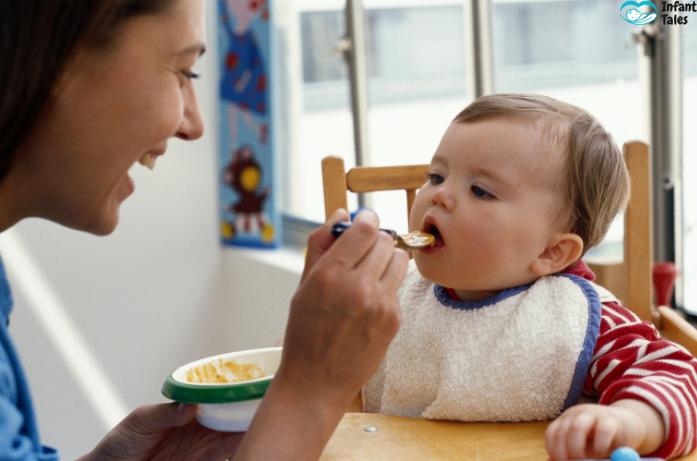
Around six months, babies become ready to learn how to digest solids. This does not mean digestion is mature it means it is prepared to start practicing. Introducing solids at this stage supports learning without overwhelming the gut.
When Do Babies Digestive System Mature Enough for Solid Foods?
Parents often confuse readiness for solids with digestive maturity. These are not the same thing.
Most babies are ready for solids around six months because:
- The gut lining is stronger
- Digestive enzymes for carbohydrates increase
- Babies can sit with support and control head movement
However, digestion is still sensitive. That’s why first foods should be simple, soft, and easy to digest, such as a gentle banana puree. Changes in stool, mild constipation, or gas during this time are very common and usually temporary.
Research published through the National Institutes of Health highlights that the infant gut continues to mature well into early childhood, influencing digestion, immunity, and tolerance to foods later in life:
Why Digestive Development Takes Years, Not Months
Many parents are surprised to learn that digestion doesn’t suddenly “switch on” after the first birthday. In fact, when do babies digestive systems mature is a gradual process that continues well into toddlerhood.
Between ages one and three:
- Enzyme production becomes more efficient
- The gut barrier strengthens
- Tolerance to different foods improves
- Gut bacteria become more balanced
Developmental health sources explain that early digestive development is closely linked to overall growth and immune function, and that digestive differences are common during early childhood
This explains why toddlers may still struggle with certain foods or experience occasional digestive discomfort.
Signs a Baby’s Digestion Is Developing Normally
Parents often worry too much about symptoms that are actually normal. A developing digestive system may cause:
- Mild gas or bloating
- Changes in stool color or texture with new foods
- Occasional constipation or loose stools
- Fluctuating appetite
These signs usually improve with time and do not require intervention unless they are severe or persistent.
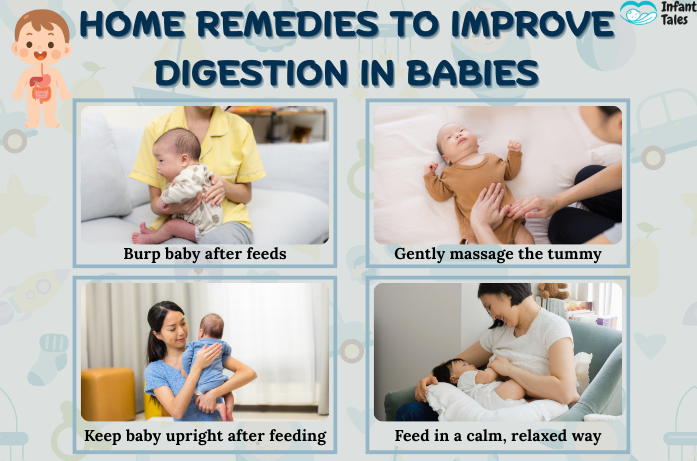
Home Remedies to Improve Digestion in Babies
Many parents ask what they can safely do at home to support digestion. The goal is comfort and support, not speeding up development.
Gentle practices that often help include:
- Burping baby well during and after feeds
- Giving gentle tummy massages in circular motions
- Allowing upright time after feeding
- Keeping feeding routines calm and unhurried
These simple habits can ease discomfort while respecting your baby’s natural digestive pace.

Improving Digestion in Babies Naturally Without Pressure
Improving digestion does not mean pushing more food or rushing milestones. Improving digestion in babies naturally is about working with the body, not against it.
Parents can support healthy digestion by introducing age-appropriate foods one at a time and understanding how breastfeeding foods may influence feeding and digestion during infancy.
- Feeding age-appropriate foods only
- Introducing new foods one at a time
- Watching baby cues rather than forcing bites
- Encouraging natural movement like rolling and crawling
A relaxed feeding environment often supports digestion better than any technique or schedule.
Common Myths That Create Unnecessary Worry
Many digestive concerns are fueled by myths rather than facts.
Some common misunderstandings include believing that babies should digest like adults after one year, or that frequent gas always signals a problem. In reality, digestion continues developing for years, and mild discomfort is often part of that process.
Understanding what is normal can dramatically reduce stress for parents and caregivers.
When to Seek Medical Advice
While most digestive issues are part of normal development, parents should speak to a healthcare provider if they notice:
- Poor or slow weight gain
- Persistent vomiting
- Blood in stools
- Severe constipation or ongoing diarrhea
- Extreme feeding distress
Trusted resources like better health explain that some digestive concerns may require medical evaluation, especially when symptoms are persistent or severe, and early guidance can support healthy development:
Trust your instincts, if something feels off, it’s okay to ask for help.
Final Thoughts for Parents
If you’re wondering when do babies digestive system fully developed, remember that digestion is a slow and natural process that continues from birth through toddlerhood. Your baby’s body is constantly learning how to handle food, absorb nutrients, and adjust to new feeding stages. Mild digestive issues like gas, spit-up, or changes in stool are often signs of a developing system, not a problem.
There is no need to rush solid foods, compare your baby’s progress to others, or feel guilty about digestive ups and downs. Every baby develops at their own pace, and patience plays a big role in healthy digestion. By following your baby’s cues, offering age-appropriate foods, and keeping feeding times calm, you are already supporting their digestive system in the best possible way.
At Infant Tales, our goal is to support parents with clear, trustworthy information that brings confidence, not confusion. With patience, gentle feeding, and time, your baby’s digestive system will mature exactly as it should.
FAQs
1. When do babies digestive system fully developed?
A baby’s digestive system usually becomes fully mature between 2 and 3 years of age, with gradual improvement before that.
2. Is gas and spit-up normal in babies?
Yes, gas and spit-up are very common because a baby’s digestive system is still developing.
3. When can babies digest solid foods properly?
Babies can start learning to digest solid foods around 6 months, even though digestion is not fully mature yet.
4. How can parents support digestion naturally?
Proper burping, gentle tummy massage, calm feeding routines, and age-appropriate foods help support digestion naturally.
5. When should I see a doctor about digestion issues?
If your baby has poor weight gain, persistent vomiting, blood in stool, or severe constipation or diarrhea, consult a healthcare professional.
Medical Disclaimer: This article is for informational purposes only and does not replace professional medical advice. Always consult a qualified healthcare provider for concerns related to your baby’s digestion, feeding, or health.