Authored by: A Caring Mom at Infant Tales
As a parent, few things are more distressing than seeing your toddler ill, especially when they have diarrhea. It’s a situation that can leave you feeling helpless, especially when you’re unsure about how to best care for your little one. Diarrhea is a common condition in toddlers, and although it is typically short-lived, it can be a challenging experience for both the child and the parents.
The discomfort that comes with diarrhea can leave your toddler feeling weak, irritable, and less likely to eat. As a parent, it’s crucial to understand what foods to offer during this time. Providing the right foods can help alleviate their symptoms, prevent dehydration, and support a quicker recovery. By knowing what to feed a toddler with diarrhea, you can make the process more manageable and help your little one feel better faster.
Understanding Diarrhea in Toddlers
Diarrhea in toddlers is typically caused by a viral infection, bacteria, or food intolerance. While the condition is common, it can make both parents and toddlers feel uneasy. During episodes of diarrhea, toddlers experience frequent, loose stools, often accompanied by stomach cramps or bloating. These symptoms can make them feel irritable, fatigued, and less inclined to eat.
However, it’s important to note that while diarrhea is uncomfortable, it is usually not dangerous if managed properly. The primary concern with diarrhea in toddlers is dehydration. Because diarrhea causes the body to lose fluids rapidly, toddlers can become dehydrated, which can lead to more serious health issues if not addressed quickly. For detailed information on dehydration in children, you can refer to this Healthdirect Australia resource.
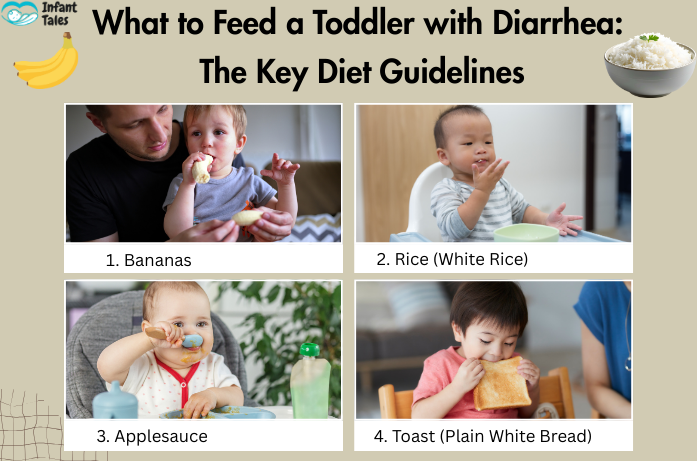
What to Feed a Toddler with Diarrhea: The Key Diet Guidelines
When your toddler has diarrhea, you must focus on foods that are easy to digest and help stabilize their digestive system. The BRAT diet, bananas, rice, applesauce, and toast, has long been a go-to recommendation for treating diarrhea in toddlers. These foods are gentle on the stomach, low in fiber, and provide some necessary nutrients and calories to sustain your child.
Let’s explore why each of these foods is beneficial. You can find additional information about managing your child’s diet during diarrhea on Healthy Children.
1. Bananas
Bananas are one of the best options for toddlers suffering from diarrhea. They are easy to digest, provide essential nutrients like potassium, and are gentle on the stomach. Potassium is an electrolyte that helps replenish what your toddler may have lost during episodes of diarrhea. Bananas also contain pectin, a type of soluble fiber that can help absorb excess liquid in the intestines, firming up stools.
Serve bananas in small, manageable pieces or mash them for your toddler if they prefer a smoother texture. Keep in mind that overripe bananas, which are easier to digest, may be a better option than green bananas during diarrhea.
2. Rice (White Rice)
White rice is a staple of the BRAT diet because it’s bland, easy to digest, and helps absorb excess water in the intestines. Since diarrhea can cause excess fluid in the digestive tract, rice can help firm up stools. It’s important to serve plain white rice without butter, oil, or heavy seasoning, as fats and spices can irritate the stomach further.
If your toddler is reluctant to eat plain rice, you can try mixing it with a little clear broth to make it more palatable.
3. Applesauce
Applesauce is a gentle food that provides pectin, a soluble fiber that can help to firm up stools and reduce diarrhea. Unlike raw apples, which are high in fiber and can be irritating, applesauce is much easier on the stomach. It’s important to use unsweetened applesauce, as the added sugars in sweetened versions can make diarrhea worse.
If your toddler prefers a more textured fruit, consider mashing up cooked apples or other fruits that may have a similar effect.
4. Toast (Plain White Bread)
Toast made from white bread is another bland food that is easy to digest. It helps to absorb fluids in the intestines and is low in fiber, making it a great option during diarrhea. It is best served plain, without butter, jam, or spreads. Fats and heavy seasonings can exacerbate the symptoms of diarrhea, so keep it simple.
Other Helpful Foods to Offer a Sick Toddler
While the BRAT diet is the cornerstone of food recommendations during diarrhea, there are other mild and gentle foods that can support your toddler’s recovery.
- Boiled or Steamed Potatoes: Plain, boiled potatoes without butter or heavy seasonings are another excellent option. Like rice, they help firm up stools and are easy to digest.
- Plain Pasta: Plain pasta made from white flour is another carbohydrate-rich food that is easy on the stomach. Avoid adding sauces, oils, or cheese, as they can irritate the digestive tract.
- Plain Crackers: Saltines or other plain crackers can provide a bland source of carbohydrates. They are easy to digest and help to absorb excess fluids in the stomach.
- Chicken Broth: Clear, unsalted chicken broth can help with hydration and provide some nutrition. Broth is a great option for toddlers who may be feeling too sick to eat solid foods. Just make sure the broth is low in sodium, as too much salt can worsen dehydration.
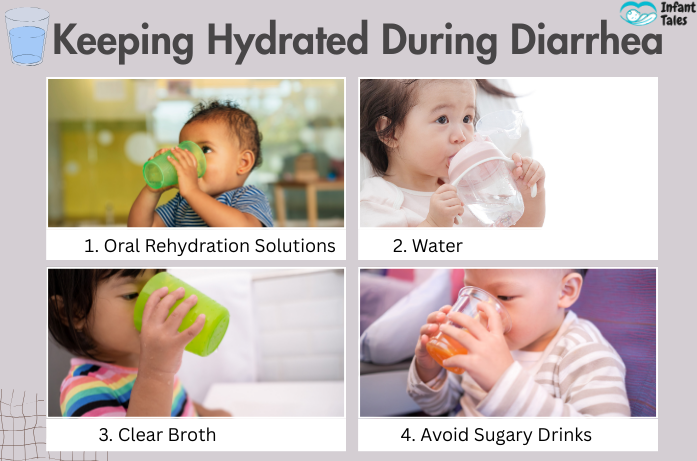
Keeping Hydrated During Diarrhea
The most important thing to focus on when your toddler has diarrhea is hydration. Diarrhea leads to rapid fluid loss, which can quickly lead to dehydration. Since toddlers have smaller bodies and higher water turnover than adults, dehydration can become a serious concern very quickly.
To keep your toddler hydrated, make sure they are sipping fluids frequently. Here are some excellent options:
- Oral Rehydration Solutions (ORS): ORS, like Pedialyte, are designed to replace the fluids and electrolytes lost due to diarrhea. They are a great choice for keeping your toddler hydrated and helping their body recover more quickly.
- Water: Small sips of water can help rehydrate your toddler. Offer them water regularly, but be cautious with larger amounts at once as it may overwhelm their stomach.
- Clear Broth: Mild, clear broths can help hydrate your toddler and provide some nourishment. Avoid high-sodium broths, which can further dehydrate them.
- Avoid Sugary Drinks: Although fruit juices and sugary drinks might seem like a good way to hydrate, they can make diarrhea worse. The high sugar content can draw more water into the intestines and increase stool frequency.
Foods and Drinks to Avoid During Diarrhea
While it’s important to know what to feed a sick toddler, it’s equally critical to avoid certain foods that could aggravate diarrhea and further irritate the digestive system.
- Dairy Products: Dairy, including milk, cheese, and yogurt, should be avoided during diarrhea. After an upset stomach, many toddlers temporarily develop lactose intolerance. Offering dairy can exacerbate symptoms and cause additional discomfort.
- Fried and Fatty Foods: Fried foods and those high in fat, like fast food or greasy snacks, can be difficult for your toddler to digest and may worsen diarrhea. Stick to bland foods that are easy on the stomach.
- High-Fiber Foods: Foods that are high in fiber, such as whole grains, beans, and raw vegetables, can be too harsh on the digestive system during diarrhea. These foods can irritate the intestines and make symptoms worse.
- Sugary Snacks and Beverages: Sugary foods, including candy, cookies, and sweetened drinks, should be avoided. Sugar can draw more water into the intestines, worsening diarrhea and dehydration.
For more information on managing diet and nutrition during diarrhea, you can read the full guidelines provided by NIDDK.
When to Seek Medical Help
Although most cases of toddler diarrhea resolve on their own, there are times when it’s necessary to seek medical attention. You should consult a pediatrician if:
- Your toddler shows signs of dehydration, such as a dry mouth, fewer wet diapers, or lethargy.
- The diarrhea lasts more than 2-3 days.
- You notice blood or mucus in your toddler’s stool.
- Your toddler develops a fever higher than 102°F (38.9°C).
- Your toddler becomes excessively tired or weak.
FAQs
Q.1 What to feed a sick toddler with diarrhea?
When your toddler has diarrhea, stick to bland, easy-to-digest foods like bananas, rice, applesauce, and toast. These foods are gentle on the stomach and can help firm up stools.
Q.2 Can I give milk to my toddler during diarrhea?
A: It’s best to avoid milk and dairy products, as many toddlers develop temporary lactose intolerance during diarrhea, which can worsen the condition.
Q.3 How can I keep my toddler hydrated?
A: Offer oral rehydration solutions, water, and clear broths to keep your toddler hydrated. These options are gentle and help replenish lost fluids and electrolytes.
Q.4 Are there any foods I should avoid during diarrhea?
A: Yes, avoid fried foods, dairy products, high-fiber foods, and sugary snacks. These can aggravate the digestive system and worsen symptoms.
Conclusion
Dealing with diarrhea in toddlers can be stressful, but knowing what to feed your toddler and how to keep them hydrated will help them recover quickly and comfortably. Stick to bland, easy-to-digest foods like bananas, rice, applesauce, and toast. Be sure to keep your toddler hydrated with water, oral rehydration solutions, and clear broths. Avoid sugary, fatty, or high-fiber foods that can irritate the stomach.
If the diarrhea persists for more than a couple of days, or if your toddler shows signs of dehydration or other concerning symptoms, don’t hesitate to consult your pediatrician. With the right care and attention, your toddler will be back to feeling better in no time.
For more parenting tips and advice, visit us at Infant Tales.