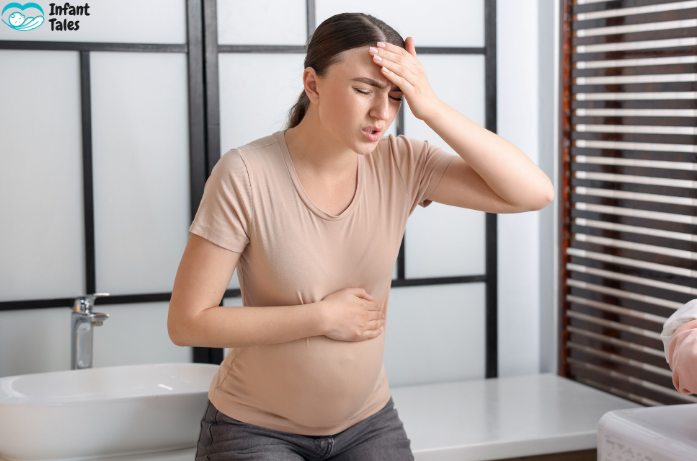
Pregnancy is one of the most beautiful journeys a woman can experience, but let’s be honest, it can also come with a few uncomfortable surprises. Many moms-to-be quietly struggle with digestive issues during pregnancy, from bloating and heartburn to constipation and nausea. If you’ve been feeling like your stomach has a mind of its own lately, you’re not alone.
As a mom myself, I remember wondering why something as simple as eating a small meal suddenly felt complicated. The good news is that most digestion issues pregnancy brings are completely normal, and there are gentle ways to find relief. In this guide, I’ll walk you through the common causes, what’s happening inside your body, and simple tips that can help you feel better.
Why Digestive Changes Happen During Pregnancy
Your body goes through incredible changes while growing a baby. Hormones shift, organs move slightly, and your digestive system slows down. All of these changes are meant to support your baby, but they can also cause uncomfortable stomach symptoms.
The main hormone responsible is progesterone. During pregnancy, progesterone relaxes the muscles in your body, including the muscles in your digestive tract. When those muscles relax, food moves more slowly through the system.
Slower digestion can lead to symptoms like:
- Bloating
- Gas
- Constipation
- Heartburn
- Acid reflux
- Feeling overly full
According to health experts at Nationwide Children’s Hospital, pregnancy hormones and the growing uterus can both affect how food moves through the digestive system, which explains why many women notice digestive changes throughout pregnancy.
While these digestive issues during pregnancy can feel frustrating, they are actually a sign that your body is working hard to nurture your baby.
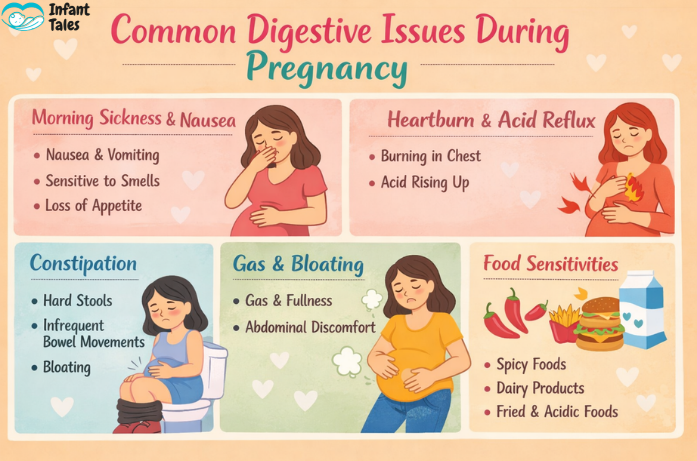
Common Digestive Issues During Pregnancy
Let’s take a closer look at the most common digestion problems expecting moms experience and why they happen.
1. Morning Sickness and Nausea
Morning sickness is often the first digestive challenge many moms notice. Despite its name, it doesn’t always happen in the morning.
You may feel:
- Nauseous
- Sensitive to smells
- Less interested in food
- Occasionally vomiting
Hormones, especially rising hCG levels, are usually responsible for this early pregnancy symptom.
For many women, morning sickness improves after the first trimester. But for some moms, mild nausea can come and go throughout pregnancy.
2. Heartburn and Acid Reflux
Heartburn can feel like a burning sensation in your chest or throat after eating. It’s incredibly common during pregnancy.
Two things usually cause it:
i. Hormones relaxing the valve between the stomach and esophagus
ii. Your growing uterus putting pressure on the stomach
Because of this pressure, stomach acid can move upward more easily.
Many moms notice heartburn becoming more frequent in the second and third trimester.
3. Constipation
Constipation is one of the most common digestion issues pregnancy brings.
When digestion slows down, food stays in the intestines longer. This allows the body to absorb more nutrients for your baby, but it also makes stools harder and more difficult to pass.
Iron supplements, which are often recommended during pregnancy, can also contribute to constipation.
You might notice:
- Fewer bowel movements
- Hard stools
- Straining in the bathroom
- Feeling bloated or uncomfortable
Medical experts at Cleveland Clinic explain that constipation during pregnancy is very common because hormones slow digestion and the growing uterus can place pressure on the intestines.
The good news is that small changes in diet and lifestyle can make a big difference.
4. Gas and Bloating
If your stomach feels tight, swollen, or full of gas, you’re definitely not alone.
Hormonal changes slow digestion and relax intestinal muscles, which can cause food to ferment longer in the gut. This leads to gas buildup.
You might also notice that certain foods suddenly make you feel more bloated than usual.
Many moms say bloating is one of the most unexpected digestive issues during pregnancy, especially early on.
5. Food Sensitivities
During pregnancy, your body becomes more sensitive to certain foods. Some meals that never bothered you before may suddenly cause discomfort.
Common triggers include:
- Spicy foods
- Fried foods
- Dairy products
- Acidic foods
- Carbonated drinks
Learning to listen to your body and noticing which foods make you feel better can help manage digestion issues pregnancy sometimes brings.
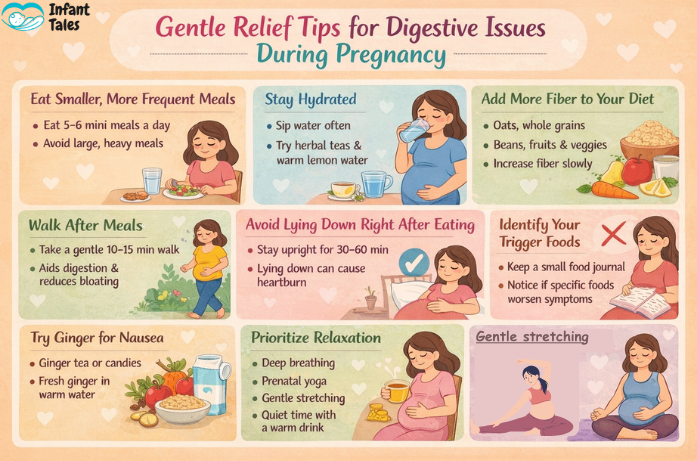
Gentle Relief Tips for Digestive Issues During Pregnancy
The good news is that there are many safe and natural ways to soothe your digestive system. Here are some tips that helped me and many other moms feel more comfortable.
1. Eat Smaller, More Frequent Meals
Instead of three large meals, try eating five or six smaller meals throughout the day.
This helps your digestive system process food more easily and prevents the stomach from becoming overly full.
Smaller meals can also reduce heartburn and nausea.
2. Stay Hydrated
Water plays a huge role in healthy digestion.
Drinking enough fluids helps:
- Prevent constipation
- Support nutrient absorption
- Keep your digestive system moving smoothly
Try sipping water throughout the day rather than drinking large amounts at once.
Warm liquids like herbal teas or warm lemon water can also feel soothing.
3. Add More Fiber to Your Diet
Fiber is incredibly helpful for preventing constipation.
Some pregnancy-friendly high-fiber foods include:
- Oats
- Whole grains
- Apples
- Pears
- Carrots
- Beans
- Lentils
- Chia seeds
If you increase fiber, do it slowly so your body can adjust comfortably.
4. Walk After Meals
Light movement can work wonders for digestion.
A gentle 10–15 minute walk after eating helps food move through your digestive system more efficiently.
You don’t need intense exercise, just a relaxed stroll can reduce bloating and discomfort.
5. Avoid Lying Down Right After Eating
If heartburn is bothering you, try staying upright for at least 30–60 minutes after meals.
Lying down immediately can allow stomach acid to move upward, which triggers reflux.
Many moms find that sitting comfortably or taking a short walk after eating helps a lot.
6. Identify Your Trigger Foods
Every pregnancy is different, and certain foods may affect you more than others.
Consider keeping a small food journal for a few days. Write down what you eat and how you feel afterward.
This can help you identify foods that might be worsening your digestive issues during pregnancy.
7. Try Ginger for Nausea
Ginger has long been used as a natural remedy for nausea.
You might try:
- Ginger tea
- Ginger candies
- Fresh ginger in warm water
- Ginger biscuits
Many moms find it surprisingly soothing for an upset stomach.
8. Prioritize Relaxation
Stress can sometimes make digestion worse.
Pregnancy is an emotional journey, and it’s completely okay to slow down and rest when you need to.
Simple relaxation practices like:
- Deep breathing
- Prenatal yoga
- Gentle stretching
- Quiet time with a warm drink
can help your body feel calmer and support digestion.
When to Talk to Your Doctor
Most digestive discomfort during pregnancy is harmless and temporary. However, it’s always important to check in with your healthcare provider if something feels unusual.
Reach out to your doctor if you experience:
- Severe or persistent vomiting
- Intense abdominal pain
- Blood in stool
- Severe constipation lasting more than a week
- Difficulty keeping food down
Your doctor can suggest safe treatments or medications if needed.
Never hesitate to ask questions, your comfort and peace of mind matter.
A Little Emotional Reassurance for Moms
If you’re feeling frustrated with digestion issues pregnancy has brought into your life, please know you’re not doing anything wrong.
Your body is performing one of the most incredible tasks imaginable, growing a tiny human.
These uncomfortable moments are often just small reminders of the huge transformation happening inside you.
Some days may feel harder than others. Maybe heartburn keeps you up at night, or nausea makes meals feel challenging. But this stage won’t last forever.
With patience, gentle care, and small daily adjustments, most digestive symptoms gradually improve.
And remember, you’re doing an amazing job.
Conclusion: Be Gentle With Yourself
Experiencing digestive issues during pregnancy can feel frustrating, especially when you’re already navigating so many changes. But most digestion problems during pregnancy are completely normal and manageable with simple lifestyle adjustments.
Eating smaller meals, staying hydrated, moving your body gently, and listening to your stomach can go a long way toward easing discomfort.
Most importantly, give yourself grace. Pregnancy is a journey filled with learning, adapting, and caring for both yourself and your growing baby.
From one mom to another, trust that your body knows what it’s doing. Take things one day at a time, rest when you need to, and remember that every little step brings you closer to meeting your beautiful baby.
If you found this article helpful, explore more pregnancy and baby care guides on Infant Tales to support you through every stage of motherhood.
Disclaimer: This article is for informational purposes only and should not replace professional medical advice. Always consult your doctor or healthcare provider for guidance related to your pregnancy.
Related Pregnancy Guides for Moms
How to Improve Baby Brain Development During Pregnancy
3 Prenatal Development Stages of Baby Growth
Leg Muscle Cramps During Pregnancy: Causes and Relief Tips
5 Month Pregnant Belly: Size, Shape, and What to Expect
Hip Pain When Sleeping During Pregnancy: Causes and Relief Tips